

Fashion Dies While Profits Rise
/Fashion has been a key part of human culture since we first started wearing fur to stay warm. The way we dress says a lot about who we are and where we live. They’re core expressions of our identity. Humans are visual creatures – we like to look good!
It’s only natural that clothing and accessories have become a core way to show who we are. However, fashion has experienced a massive change in the last decade. It’s become less about self-expression and more about profit.
Fashion Then vs Now
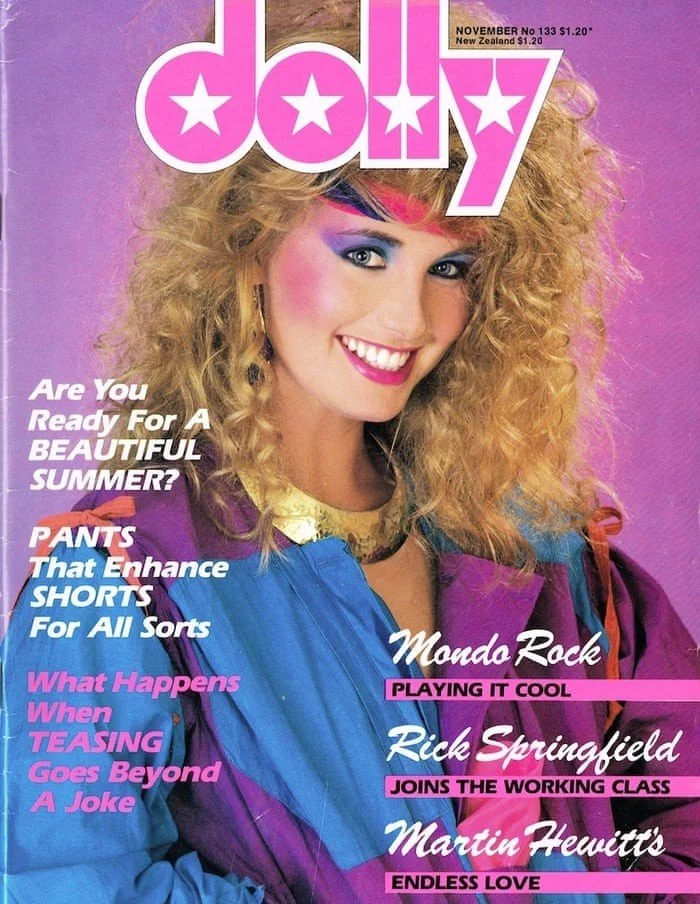
a Dolly Magazine cover from the 1980s
Let’s look at an example more topical than the cave men I mentioned earlier – the 1980s. When you think of 80s fashion, I bet a clear picture comes to mind: vibrant neon, polyester and massive hairdos are iconic to the decade.
Now, try to picture the cohesive look of the 2020s... chances are you thought of something more muddled. We have a lot of revivals, like the Y2K (2000s) or 80s fashions returning and the constant wave of new thing-cores (like cottagecore) that keep popping up. But these trends come, and they go, with only some loyal fans left to keep them alive.
Trends move so quickly that what is cool this week will probably be cringe next week. To stay trendy, you basically need a whole new wardrobe every month.
Why The Change?
The shift comes down to two things: our buying habits and manufacturing. Not only were people in the 1980s buying clothes with a completely different mindset, the companies making clothing were thinking about and making them differently too!
The average pre-2000s person bought clothes that were high quality because clothes were an investment. A good jacket or pair of shoes lasted you decades if you took good care of them. That’s why you can still buy vintage clothes now. This meant that people paid close attention to every clothing item they bought. It had to really fit your taste because you were probably going to wear it for years.
Now you’re lucky if a product lasts two years in the 2020s. They’re just not built to last, and we aren’t buying them thinking they will either. Clearly something major has happened between then and now when it comes to how we view clothing.
A Drop in Quality
Buying high quality clothing is expensive. Thanks to decades of inflation, without increased wages to match, the average person can’t afford to buy good clothes anymore. This means that clothing manufacturers started to encounter a unique problem: they were competing with their own products.
If people can’t afford to buy new sweaters and they have perfectly good sweaters at home that they bought from you a few years ago, they’re not going to buy your new range of sweaters. So, your only option is to sell cheaper sweaters.
Cheaper sweaters mean cheaper materials, and cheaper materials means your sweaters start falling apart after a while. That means more sweater sales! So, make your sweaters worse and basically print free money forever. That’s what manufacturers started doing!
The result is that we are buying more clothing than ever, 400% more than we did in 2000.
Competing with Fast Fashion
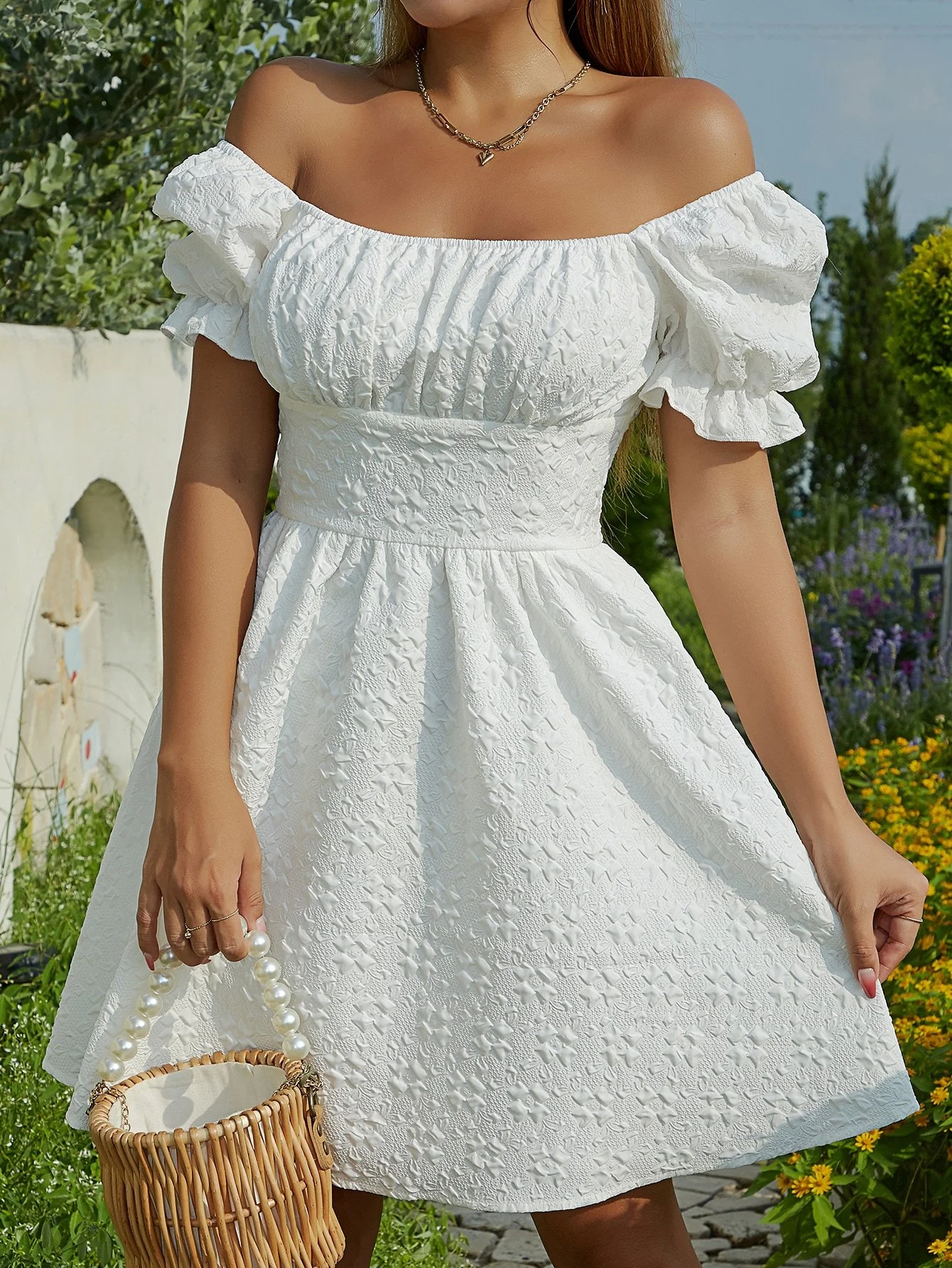
A trendy “cottagecore” style dress from Shein
Since online stores opened, our clothing choices broadened beyond high street brands and boutiques. This means the companies that used to provide us with high quality products are no longer competing when it comes to quality – they are competing over quantity.
Companies like Shein and Zara mass produce low-quality, short-lived clothes that they can sell for literal cents. This makes following fashion trends not only affordable for everyone but also makes higher-quality brands look out of date. It takes months for new clothing styles to be designed, approved and launched. In that time, Shein and Zara could have cycled through several microtrends.
Fast fashion companies have to steal design ideas from other creators to meet these demands.
The Overconsumption Problem
As clothing became cheap and fast to get, our use of them shifted to match. They're expendable and because clothing is tied to our identity, our self-expression ends up expendable too. The monetization of subcultures like goth, punk, cottagecore, etc., alienates them from their original meanings, which are usually anti-capitalist or sustainability movements
Turning them into trends or “aesthetics” that are bottomless pits to toss your money into does a massive disservice to self-expression and art. This is a consistent theme across all styles of fashion. We’ve also all started to look kind of similar because of algorithms pushing popular content onto everyone’s social media feed.
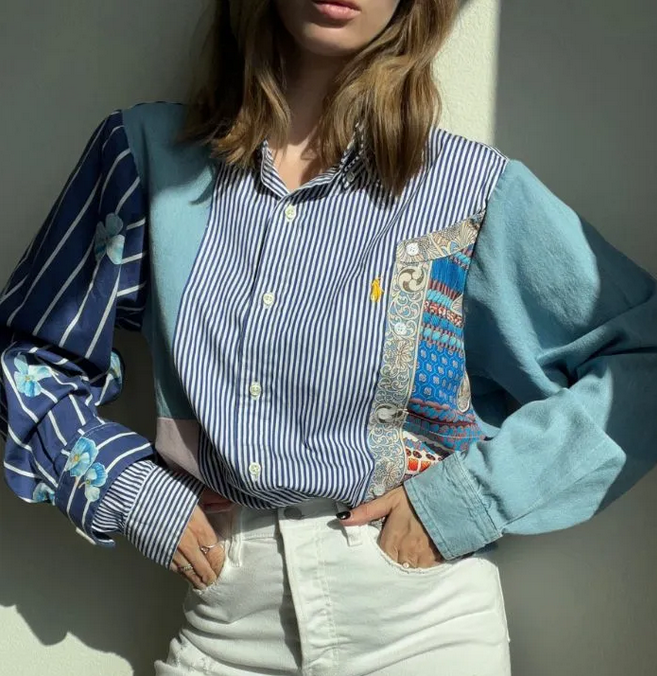
An upcycled shirt made WITH other shirts from conscious life and style
Is There an Escape?
Yes! Avoiding fast fashion is the most obvious way, but this can be difficult because of money and availability. The best alternative with that in mind is buying secondhand clothing (especially vintage!) and/or making your own. Learning how to repair or upcycle your clothes is a great option too.
Also, avoid trends and instead develop your own style. Finding your unique sense of self will help you appreciate what you buy and own, stopping you from buying new things. Plus, dressing in a way you genuinely love will make you happier!

Hannah Staniforth is a second-year Professional Writing student at Algonquin College in Ottawa, Ontario. She combines her previous experiences in Social Sciences with her writing to explore social themes with her readers. Hannah’s recent works emphasize the importance of positive thinking, gentle self-development, and reclaiming your personal time in a demanding world.