
Spotify is Robbing Artists
/It's been no secret that for a long time artists have been unfairly compensated for their work by the music industry. As it currently stands, the platforms that uphold the streaming model pay very little, touring can often be a money sink that allows venues and ticket services to hold artists financially hostage, and physical media purchases are far from the dominant form of music consumption that they used to be.
Most of the audience that will spend time listening to an artist will do so through streaming platforms such as Spotify. Despite having potentially hundreds of thousands of consistent listeners, that will very rarely translate to any meaningful financial turnaround.
The Streaming Numbers
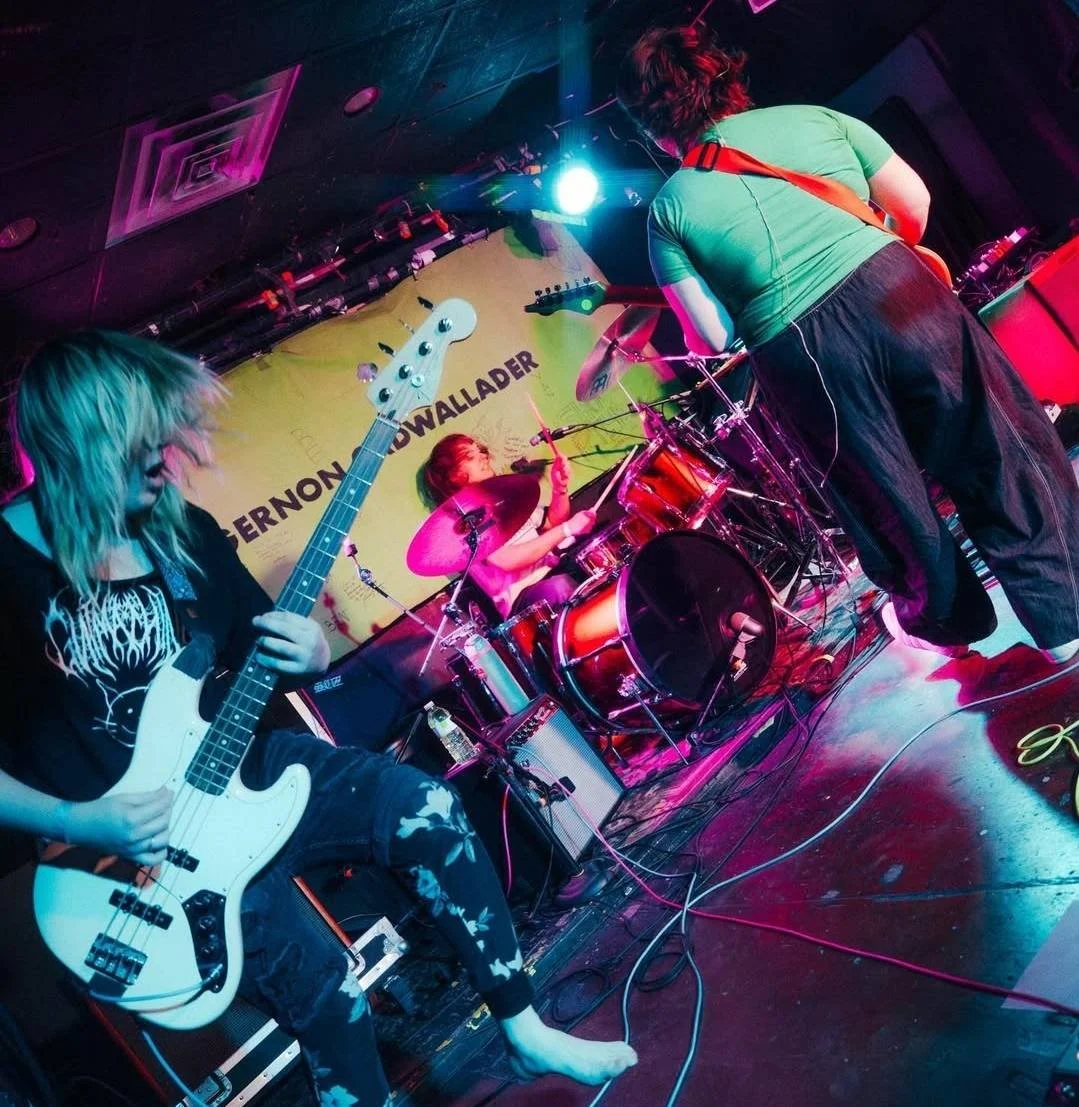
FanclubWallet during live show | Natneuroptypes on instagram
“Most of my listening activity comes from Spotify, with sprinkles of a listener base coming from Bandcamp, Apple, Qobuz and a few obscure ones. For example, I get about 60,000 streams per year. This runs me in the low $200s but spikes when I put out a release. Royalty money is then distributed to my producer, and if I have someone co-writing, they get a share that’s agreed on ahead of time. I also play bass and tour with another band, FanClubWallet. For this band, it generates about $750 per month on Spotify for example, sometimes more, sometimes less based off roughly 2.6 million streams per year.”
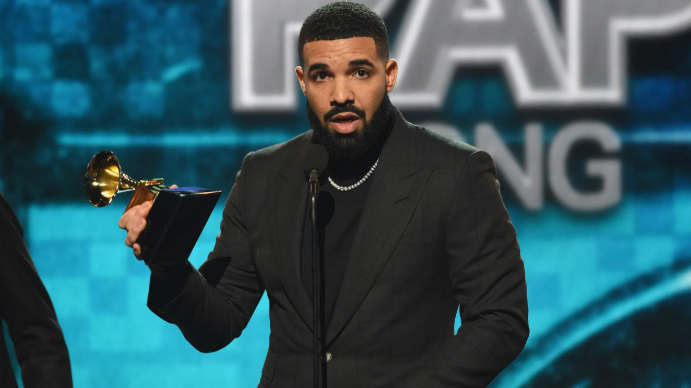
Drake at the grammys | gq
This comes directly from Nat of the bands Neurotypes and FanClubWallet, a friend of mine who was kind enough to provide insight to me about the financial elements of the music business. From these numbers we can calculate that on average a single stream of a song seems to be about $0.0034 paid towards the artist. In other words, it takes thousands of streams of a song to make even a single dollar. For huge artists like Drake or Taylor Swift this isn’t an issue, they’re already massively successful and are guaranteed to gain hundreds of thousands, if not millions of streams within the first day of a release, on top of repeated listens and replays in the coming months from dedicated fans no matter what. But for smaller, independent and local artists, this is unsustainable.
Touring
When it comes to touring, this can also be a huge loss for smaller artists who aren’t guaranteed to sell thousands of tickets like big stadium acts are. “We have lost money every time we’ve toured except for one summer where we earned $500-$1000 per night. Every other tour has been a loss for sure… We just toured the states as an opener for 2 bigger bands who invited us out… we went about 10K negative before accounting for merch sales.”
Another artist from Ottawa, xCADAVERDOGX, had this to say “It really depends! Some shows I leave with quite a bit; some shows I spend a bit more money on drinks and getting there than I get paid. If I'm ever playing out of town and make less than I expected it sucks“
How To Support Your Artists
So how can we better support these artists? It seems that platforms like Bandcamp, as well as purchasing merchandise, are the best ways to support an artist.
“The best way to support artists is to buy their music directly from them so places like Bandcamp or buying their merch is great. Bandcamp Friday which happens most months out of the year gives 100% of royalties to artists which is something I like to keep track of” said Nat
One purchase on a platform like Bandcamp can be the equivalent of weeks or even months of streaming for smaller artists. I encourage anyone who is a fan of a smaller artist to perhaps think about supporting them through physical purchases, merchandise or even digital patronage, as it goes a long way toward properly compensating these artists for the incredible amount of hard work and creativity they put into providing you with a good experience. It’s time we stop undervaluing smaller artists and start properly compensating them for everything they provide.
Additional Links
https://neurotypes.bandcamp.com/album/violence-district
https://fanclubwallet.bandcamp.com/album/living-while-dying