

Canada’s 2025 Housing Crisis: Not Just a Bubble — A Systemic Problem
/See how the housing crisis is getting worse in 2025

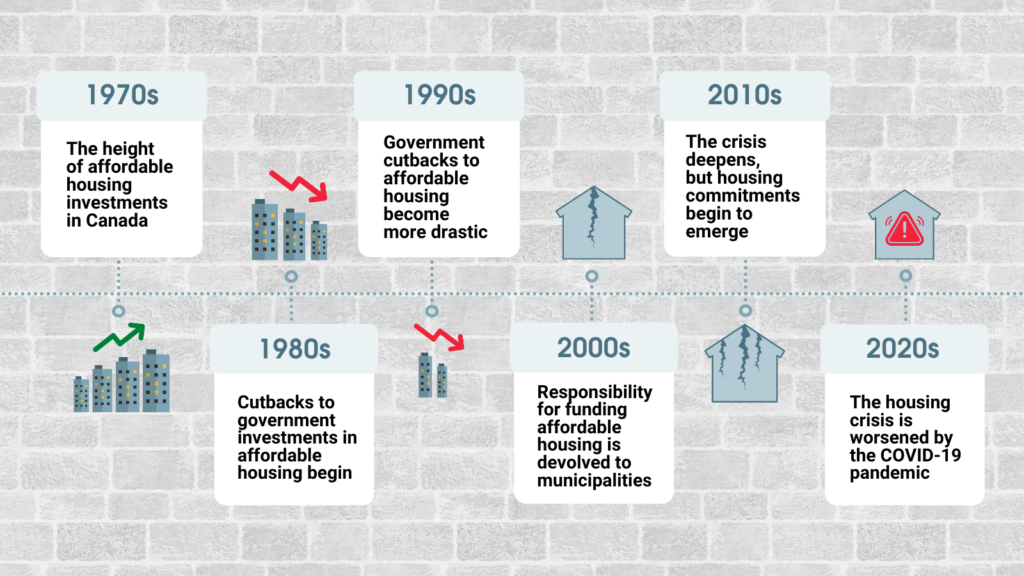
Canada's housing market is currently in serious trouble, and the issues go beyond the ups and downs caused by and since the pandemic. What seemed like a temporary increase in housing demand has turned into a long-term shortage of available homes. This has created a big gap in what people can afford and has led to a disconnect between the growing population and the number of new homes being built.
The Scope: Prices, Rents — and the Supply Gap
Homebuilding and the number of available homes is now seen as being much too low for what people need. A recent report from the Canada Mortgage and Housing Corporation (CMHC) says that Canada will need between 430,000 and 480,000 new homes each year (both for buying and renting) until 2035 to bring back affordable prices that we had before the recent rise in housing costs.. CityNews Toronto
This means we would need about 4.8 million new homes in the next 10 years to meet expected demands, which is roughly twice the current rate of building homes. constructconnect.com
If things continue as they are (without significant new construction), CMHC’s study predicts that the cost of owning a home could take up as much as 52.7% of the average household income by 2035. This is a big increase from 40.3% in 2019. (CityNews Toronto) That's much higher than what is usually considered affordable for housing.
Rent costs and pressures in the rental market are going up, putting financial strain on renters who often don't have the financial safety net that homeowners do. With fewer new apartments available, many renters are facing difficult decisions: they can choose between paying higher rents, commuting longer distances, or saving less money.
What’s Fueling the Crisis

A key problem is that the construction of new homes isn't keeping up with the growing population, the number of households being formed, and the need for places to live. CMHC clearly states that the current trend is not enough: if we continue to build around 245,000 new homes each year, the shortage of housing will only get worse. (CityNews Ottawa)
To meet CMHC’s goal of building 430,000–480,000 homes each year, we would need to make some big changes. This includes having more and better-trained construction workers, getting more private investment, speeding up the approval process, and reducing building costs. (CMHC)
One reason for the slowdown in new home construction is the complicated rules and approvals needed to get started. These lengthy processes and high costs make it hard to build new homes, especially in busy city areas where there is a lot of demand. At the same time, many new homes being built are not affordable for middle-income Canadians who are looking for places to live.
The problem is also regional: some provinces and cities face larger supply gaps than others. According to CMHC, provinces such as Ontario and British Columbia — as well as large metropolitan areas — are among the hardest hit. (CityNews Toronto)
The Human Cost — and Economic Risk
The effects extend beyond just real estate statistics. For many families, the hope of owning a home or finding a stable, affordable rental is becoming harder to achieve. Young families, newcomers, and middle-income Canadians are especially impacted.
Increasing housing costs reduce what people can spend on other essential needs like savings, food, and transportation. This is especially tough for renters, who often have to make hard choices such as sharing an apartment with roommates, traveling far for work, or giving up a stable living situation.
When there aren’t enough homes available, it can hurt the job market and the economy. Workers might struggle to live close to their jobs, leading to longer commutes or making it hard to move for work. This can increase social inequality and create more pressure on services that help people in need.
Without a large increase in the number of homes available, these challenges are expected to get worse in the coming years. It will become even harder for many Canadians to afford a home and owning one may become impossible for a lot of people.
What’s Being (or Should Be) Done — And Why It May Not Be Enough
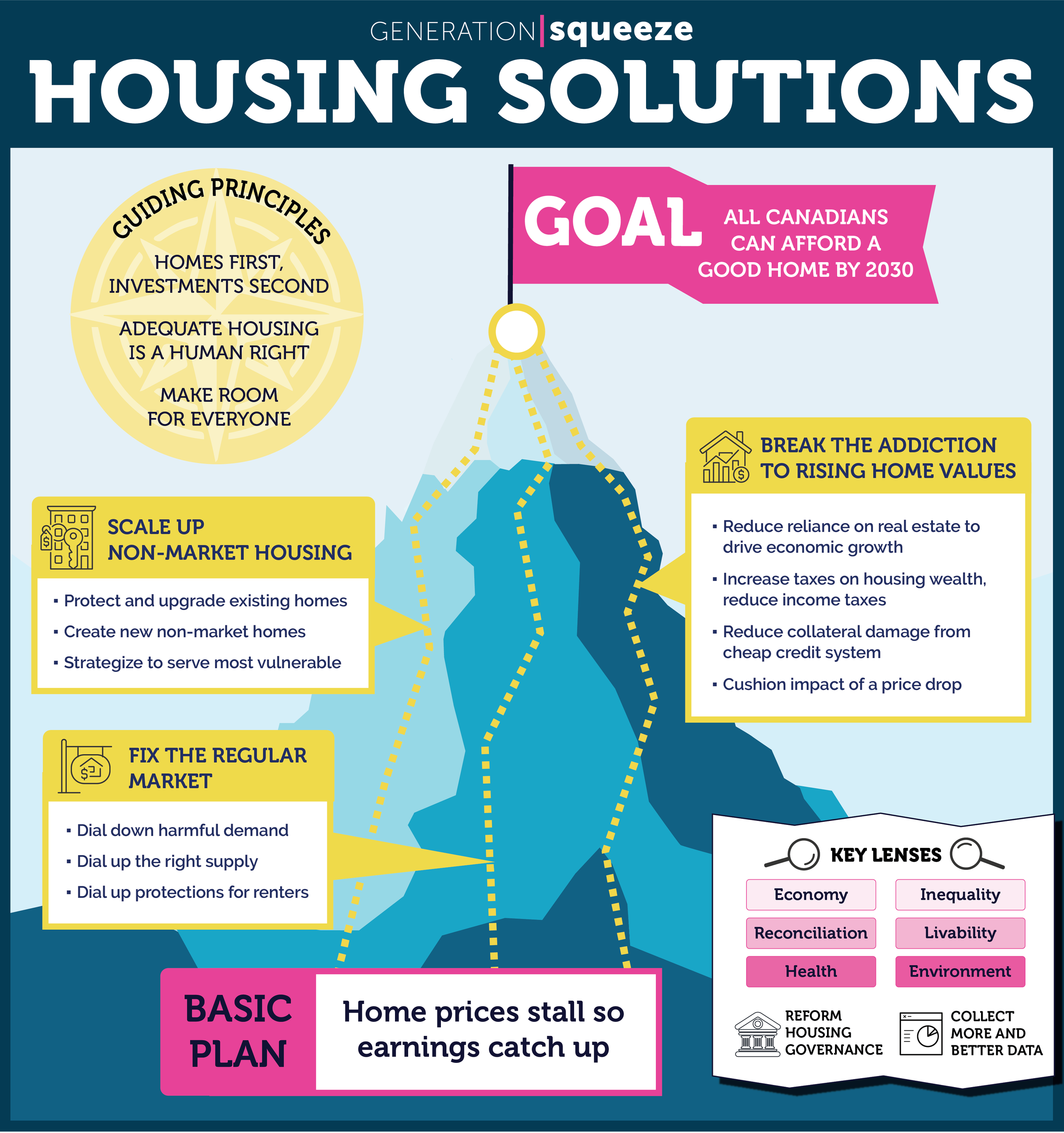
There are calls to address the crisis. The 2025 CMHC report itself argues that housing starts must roughly double for Canada to return to reasonable levels of affordability. (CMHC)
To make that happen, we need big changes: increasing the number of workers in construction, getting more private investment, making rules easier to follow and lowering costs for building, and using better building techniques like prefabrication and modular construction. (CityNews Toronto)
Many experts believe that even with current efforts, changes will take time. They warn that without major changes like updating zoning laws, adjusting how land is used, and creating incentives for affordable housing, the problems may continue for years.
Looking Ahead: What Could Change and What’s Likely to Stay the Same

If Canada significantly increases construction, especially for rental apartments and affordable housing, it could help reduce the challenges faced by renters and people looking to buy homes in the next ten years.
In big cities, where demand for housing is high and rules can be strict, many people, especially those with middle or lower incomes, might still struggle to find affordable homes. If changes to housing policies don’t include new ways of building homes—like creating more apartments, offering different types of homes, and making zoning laws more flexible, the gap between the number of homes available and the number of people who need them may keep getting bigger.
If we don't make important changes, younger people might start to rent for a long time instead of buying homes. Owning a home could become something only wealthier people can do, and this could make the gap between different social classes related to housing even bigger.