
Mary Shelley - The Woman Who Created a Monster and a Genre
/When most people hear the name Mary Shelley, they immediately think of a bolt-necked creature lumbering through a stormy night. But Mary Shelley wasn’t just the mind behind Frankenstein. She was a young woman who altered the landscape of literature forever, long before female writers were welcomed or respected in the public sphere.
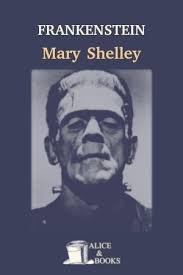
She was only 18 years old when she imagined the story that would become Frankenstein; or, The Modern Prometheus. At an age when most writers are only beginning to experiment with their voice, Mary was already asking the kinds of questions philosophers still debate today:
What responsibilities come with creation? Where does humanity end and monstrosity begin? What happens when ambition outpaces empathy?
These aren’t just horror themes, they’re deeply human ones.

A Storm, a Challenge, and the Birth of Science Fiction
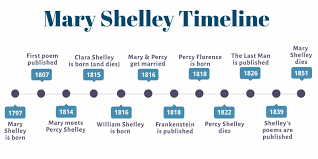
The origins of Frankenstein are as dramatic as the novel itself. In 1816, during the “Year Without a Summer,” Mary Shelley, Percy Shelley, Lord Byron, and John Polidori found themselves trapped indoors by relentless rain while vacationing near Lake Geneva.
Bored and restless, Byron suggested a ghost-story competition.
Most of the group struggled. Mary did not.
After nights of haunting dreams and philosophical discussions about life, electricity, and creation, she envisioned a scientist who dared to play God, and the creature he abandoned.
This was more than a ghost story. It became the first true work of modern science fiction, blending Gothic horror with scientific speculation. Mary Shelley imagined the ethical dilemmas of artificial life 200 years before robotics, genetics, and AI became reality.
A Woman Writing Against the Current
Mary’s achievement was revolutionary not just because of her ideas, but because of who she was.
Female authors in the early 19th century were expected to be quiet, domestic, and invisible. Instead, Mary wrote about life, death, ambition, creation, and the consequences of knowledge. She confronted taboos: grief, motherhood, loss, scientific hubris. Her life was marked by tragedy, multiple miscarriages, the loss of her husband, and the deaths of those closest to her, but she continued to write through all of it.
Her emotional depth and intellectual intensity became the backbone of her storytelling.
Why Mary Shelley Still Matters
Mary Shelley didn’t just invent a monster. She invented a genre. She carved out space for women in literature at a time when that space didn’t exist. She continues to inspire writers, creators, and storytellers, especially those brave enough to challenge the boundaries of their world.
More than two centuries later, we’re still wrestling with the questions she raised.
And that’s the power of a visionary.
Sources
Mary Wollstonecraft Shelley | Biography, Books, Frankenstein, Parents, & Facts | Britannica
Mary Shelley: Biography, ‘Frankenstein’ Author
‘Frankenstein’ Was Born During a Ghastly Vacation | HISTORY
Author Bio
Amelie Tessier is a dark-fantasy writer who blends emotional depth with atmospheric worldbuilding. She specializes in crafting stories filled with complex characters, haunting magic, and high-stakes tension. Her writing explores the shadows between power and vulnerability, always rooted in authentic, character-driven storytelling.