

Tracy Chapman: Music That Moves
/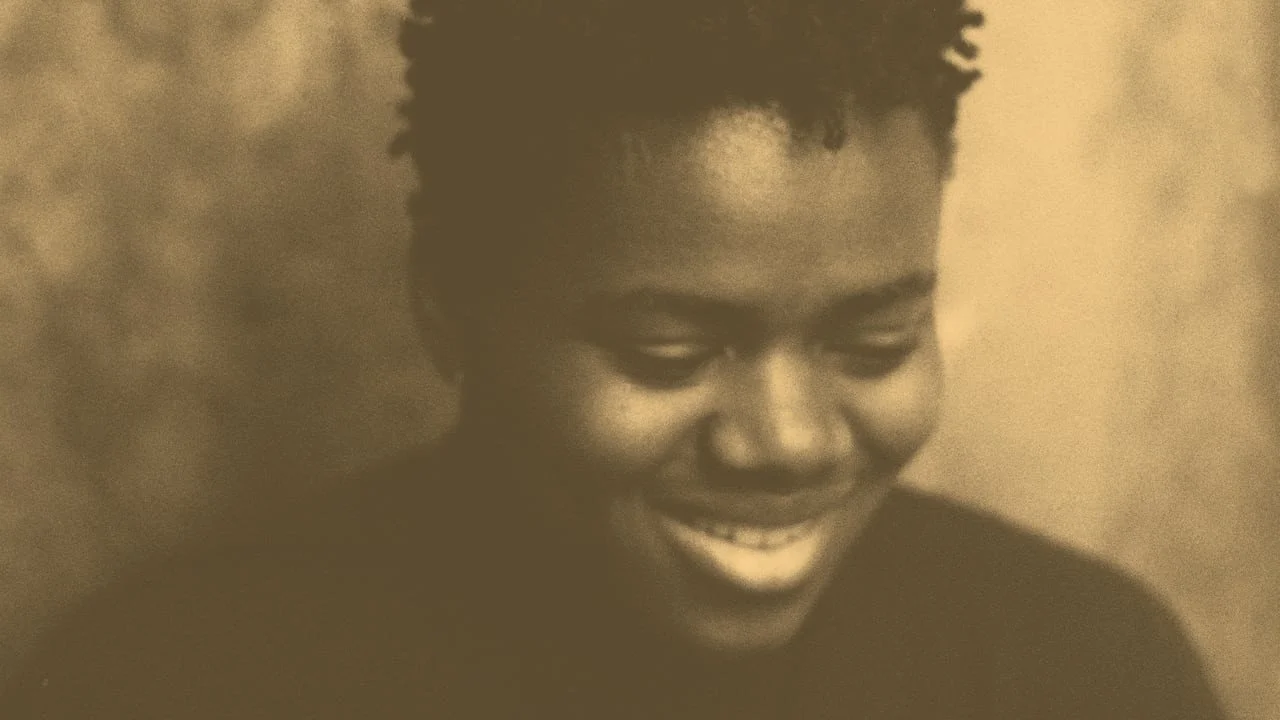
PHOTO COURTESY OF CBC NEWS
Who is Tracy Chapman?
Tracy Chapman is a singer-songwriter, well known for her songs “Fast Car” and “Give Me One Reason” among so many others. She was born on March 30, 1964 in Cleveland. She began recording her songs at the WMFO in Boston. Chapman has won four grammy’s since her career took off in 1988 following the release of her first self-titled album. This album was made possible after she was introduced to an Elektra Records manager by a friend’s father in 1986.
When Chapman was three, her mother gifted her a ukelele. By age eight she was writing her own music. In 1986, Chapman studied African studies and Anthropology at Tufts University and started to write music at the same time.
“Fast Car” Was Written In One Day
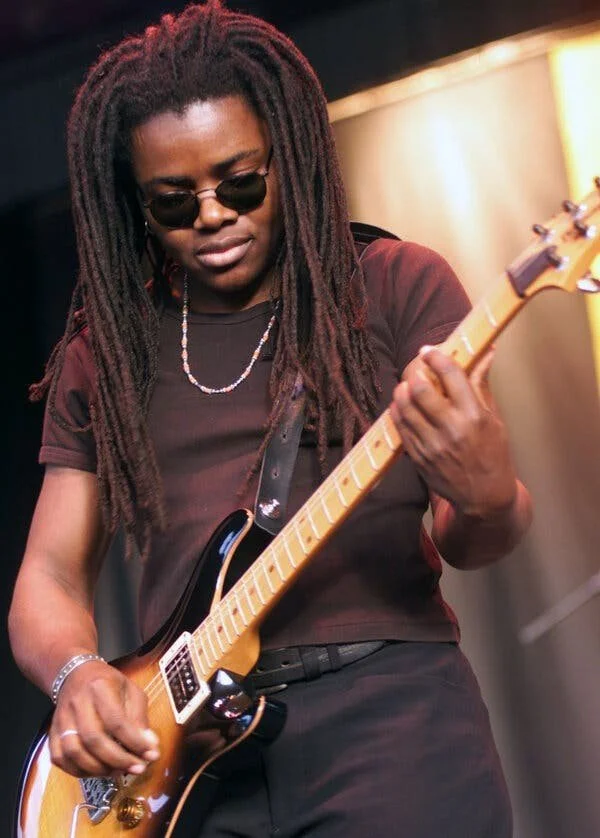
IMAGE COURTESY OF NEW YORK TIMES
“Fast Car,” the song that won Chapman two of three grammy’s in 1989, was written in 1986 over the course of a single night.
In an interview with Tom Power at CBC news Chapman told Power, “‘I think I wrote most of the song that night and then I went back and revised it throughout the week. So in a way, it was quick. There's some songs that take me years to finish, but that was not one.’”
Two years later, Chapman performed the song in front of 90,000 people during a birthday tribute to Nelson Mandela at Wembley Stadium. Stevie Wonder Chapman felt overwhelmed at the time, as she had never been in front of such a large audience. The experience was especially daunting because she had no idea when she would perform during the show.
“‘…they realized they could slot me in at any point in the show. And so we were just waiting in the green room and then they came and said, 'Look, you're on.' And that was it. There was no warning,’” Chapman said during the CBC interview.
This kind of experience would frighten just about anyone, but Chapman claimed her years of busking helped her use just her voice and her guitar to keep the crowd’s attention.
The Politics of Chapman’s Songwriting
Chapman’s music is very political. Many of the songs on her debut album discuss significant topics such as, “revolution (Talkin’bout a Revolution), sexual assault (Across the Lines), domestic violence (Behind the Wall), war (Why?), and a world without hope for young people (She’s Got Her Ticket).”
The music Chapman produces is inspired by her own life and experiences. Early in life, she noticed the concerns of the people around her and the struggles they were going through. These observations fueled her interest in these topics and in turn she began to write about them.
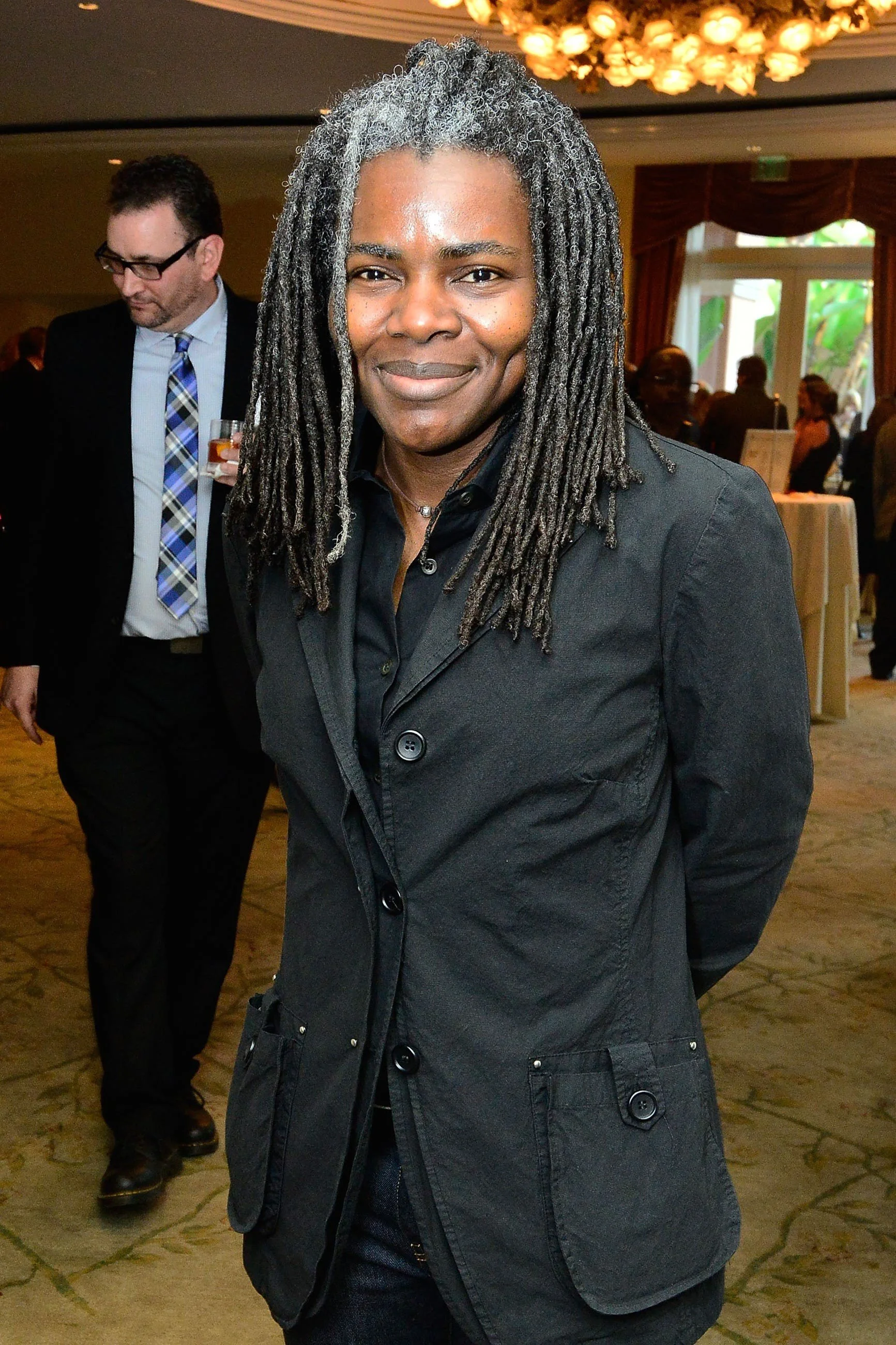
PHOTO COURTESY OF USA TODAY
Even over thirty years later, Chapman’s music is extremely relevant and her words so eloquently describe experiences that many can relate to.
In an interview with Miguel Ángel Bargueño, Chapman said, “those songs, unfortunately in some cases, seem to speak to the current moment and the struggles we all face as people try to deal with race, violence against women… These are issues that unfortunately still have relevance.”
Tracy Chapman has never called herself an activist, and has been persistent about the fact that her role will always be a musician.
Though activism isn’t her focus, her contributions to various communities and her ability to spread awareness as a well-known musician are significant.
She has taken part in a variety of events and benefits since her career began, such as Amnesty International’s 50th International anniversary event, benefit concerts for Cambodia and Tibet, and various events intended to support the fight against AIDS.
She also continues to pursue music, telling Bargueño, “I’m still involved in all the creative aspects of making music, but I just haven’t tried to go into the studio or tour in quite some time.”
Overall, Tracy Chapman is an incredible advocate and a brilliant musician. Her songs have left so many people feeling seen and understood, and her words continue to inspire anyone who comes across her melancholic and powerful melodies.
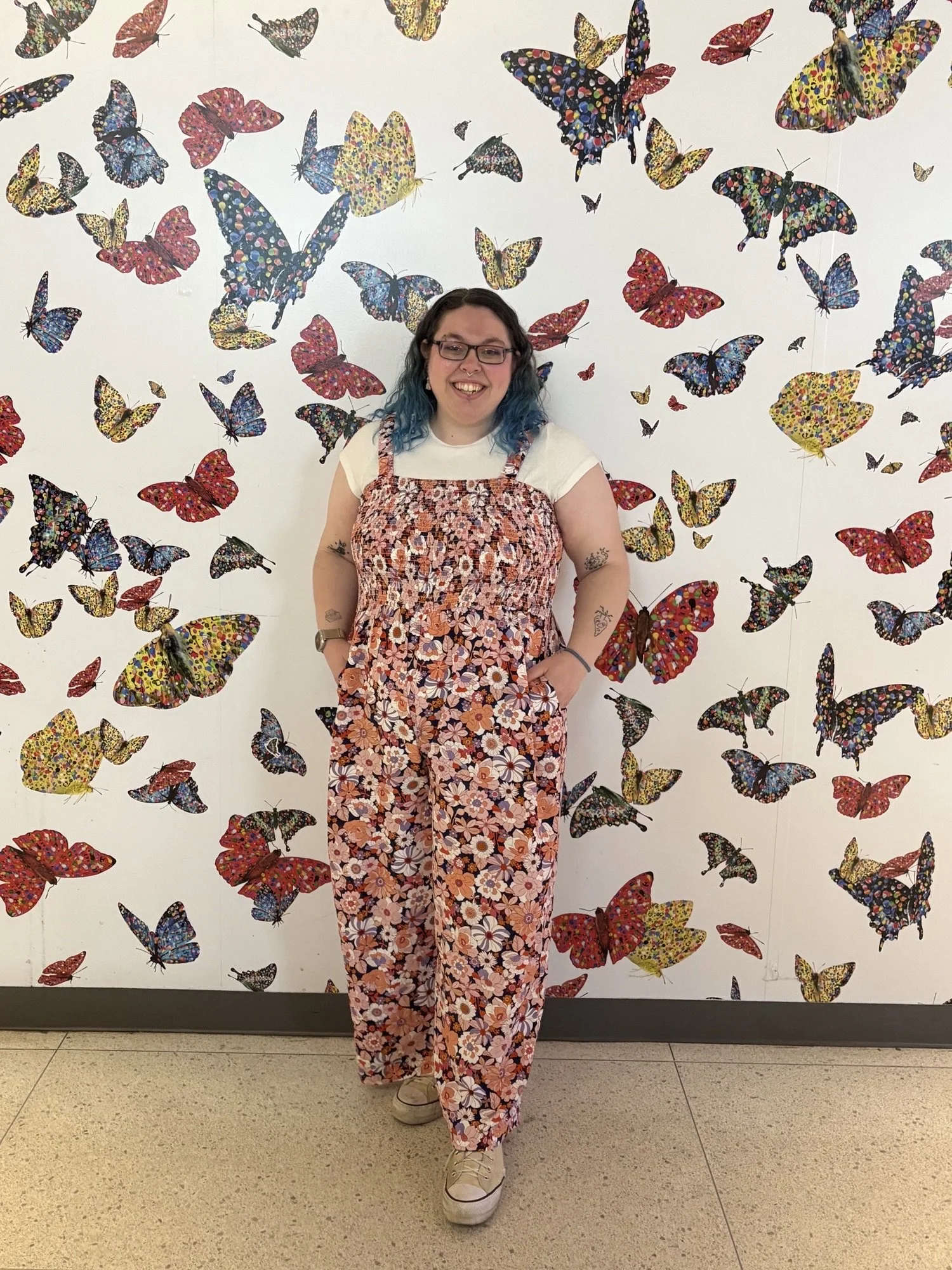
Jessica Fraser is a Professional Writing student at Algonquin College. She has also spent time studying English at Lakehead University and has taken many queer studies courses. She has written in a variety of different formats, such as poetry, short stories, essays, and research papers. She mainly writes fiction and the genres she focuses on are horror, sci-fi, and fantasy.