Chappell Roan: Sparking Change and Being Unapologetically You
/Get it hot like Chappell Roan! This Midwest Princess has wasted no time establishing her voice and advocating for change in the music industry. Upon the release of her single, “Good Luck, Babe”, Roan’s popularity exploded, and she became an instant hit with queer people. The song explores the hardships of compulsory heterosexuality, which many lesbians struggle with in their lives. Her music empowers the queer community because she sings about our experiences in ways we don’t often see in pop culture. Roan’s music is a genuine and proud celebration of the lesbian life, but her authenticity doesn’t end there.
Embracing the Queer Life
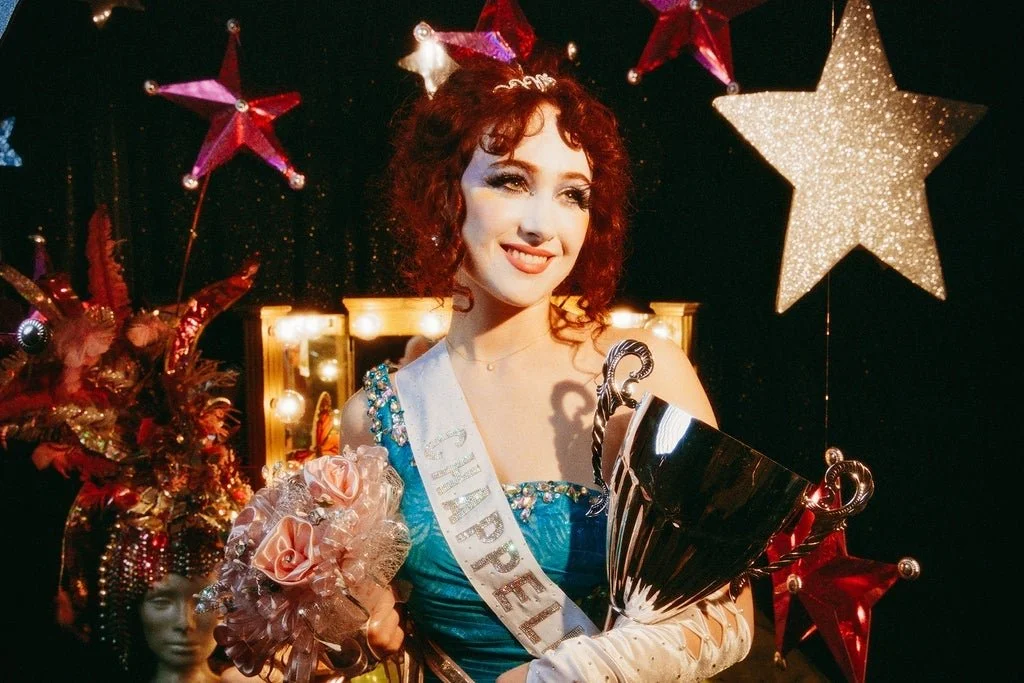
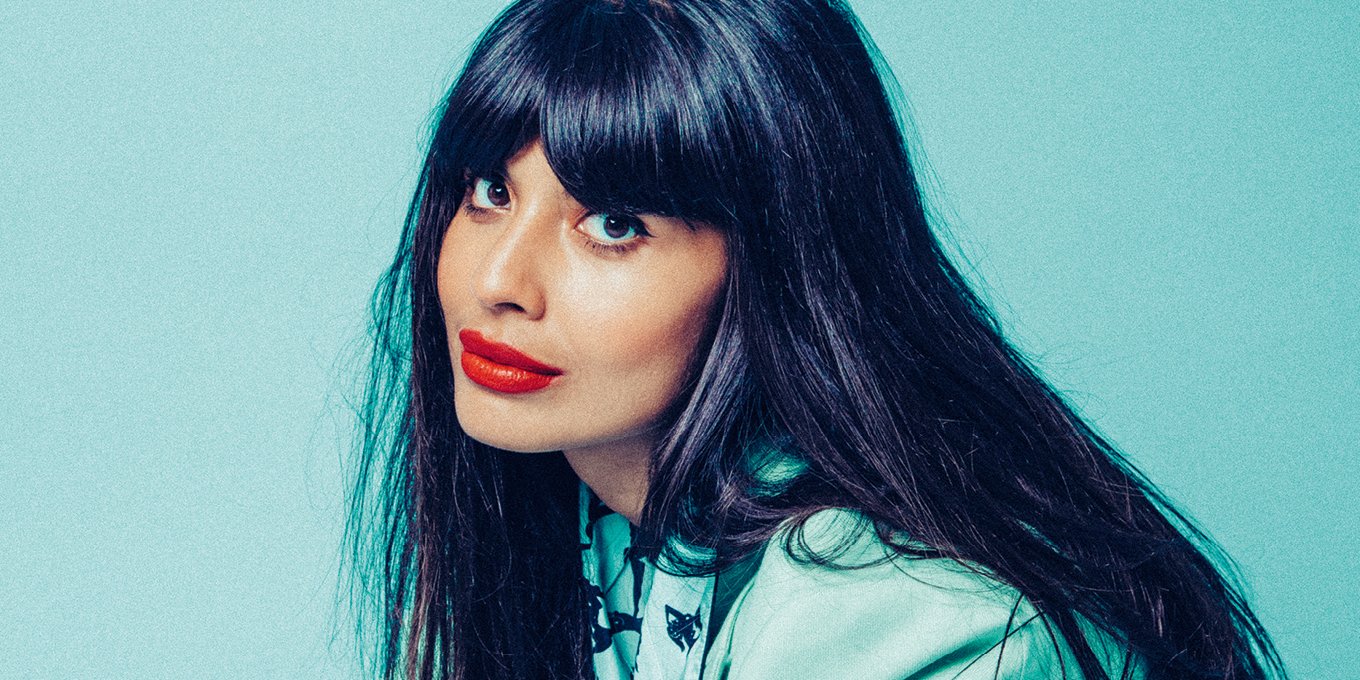
Chappell roan for “the rise and fall of a midwest princess”. Photo by ryan clemens.
In contrast to the lesbian popstar’s current lifestyle, Roan grew up surrounded by Christianity in a conservative Missouri town. She has since reflected on the impact that upbringing had on her and how it’s shaped who she is today. For years, she struggled with understanding her sexuality because she lived such a sheltered life and her religion was so against it. Eventually, Roan felt so suffocated she decided to leave her small town behind. She moved to Los Angeles to explore who she truly is.
When Roan arrived in Los Angeles, she found her way out of her shell, along with finding her people. Inspired by her first trip to a gay bar, Roan explored ignoring expectations and being your authentic queer self with her hit-song “Pink Pony Club”. Ask just about any queer person, and you’ll find the song has hit close to home and resonates with them deeply. Roan truly captured what it feels like to break out of your shell and embrace your queerness.
Setting Boundaries
Not long after her rise to stardom, Roan did something we aren’t used to seeing from female celebrities. She quickly established boundaries between her personal life and her life as drag popstar Chappell Roan. In a TikTok post, Roan expressed her feelings about obsessive fan behaviour and affirmed it was unacceptable.
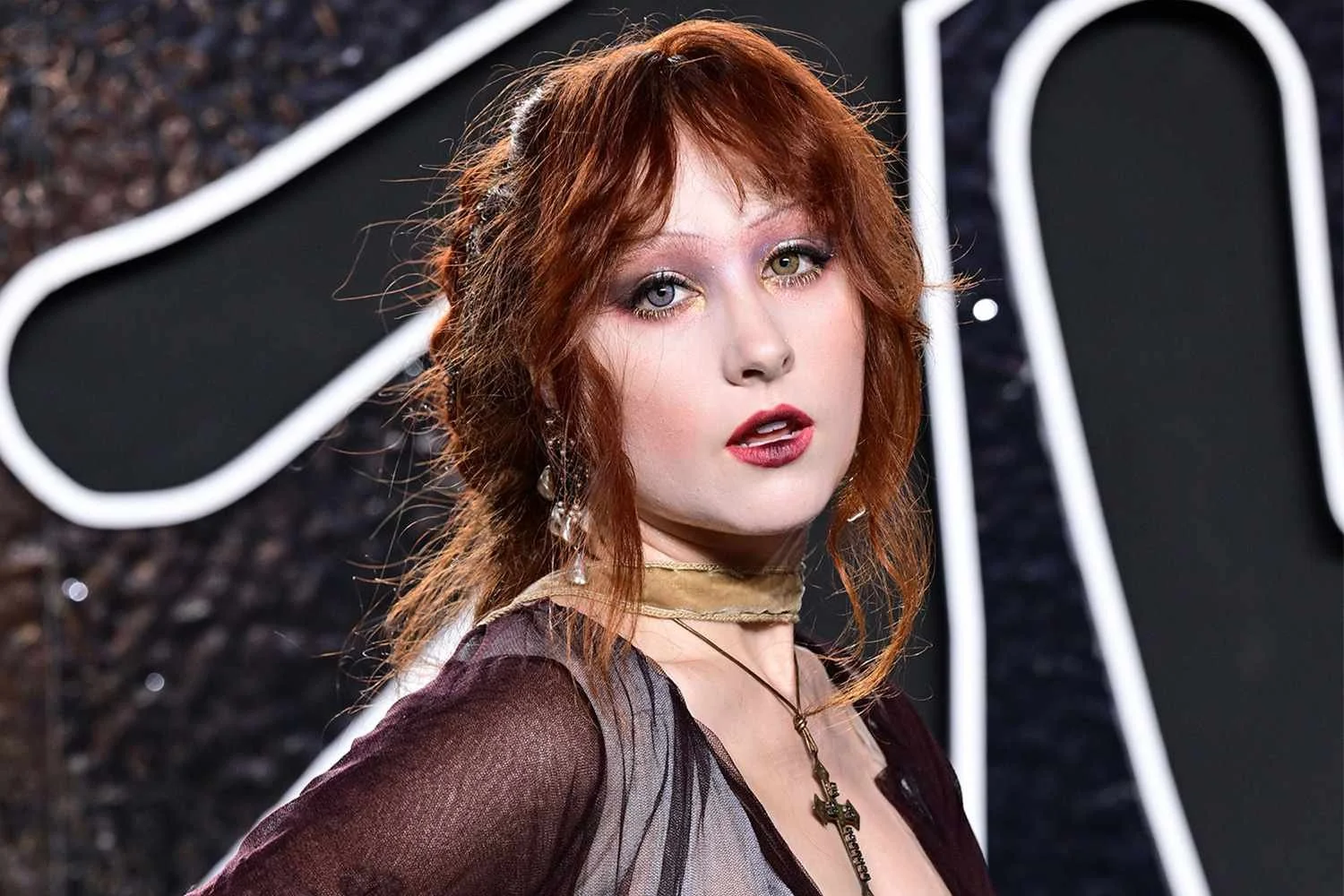
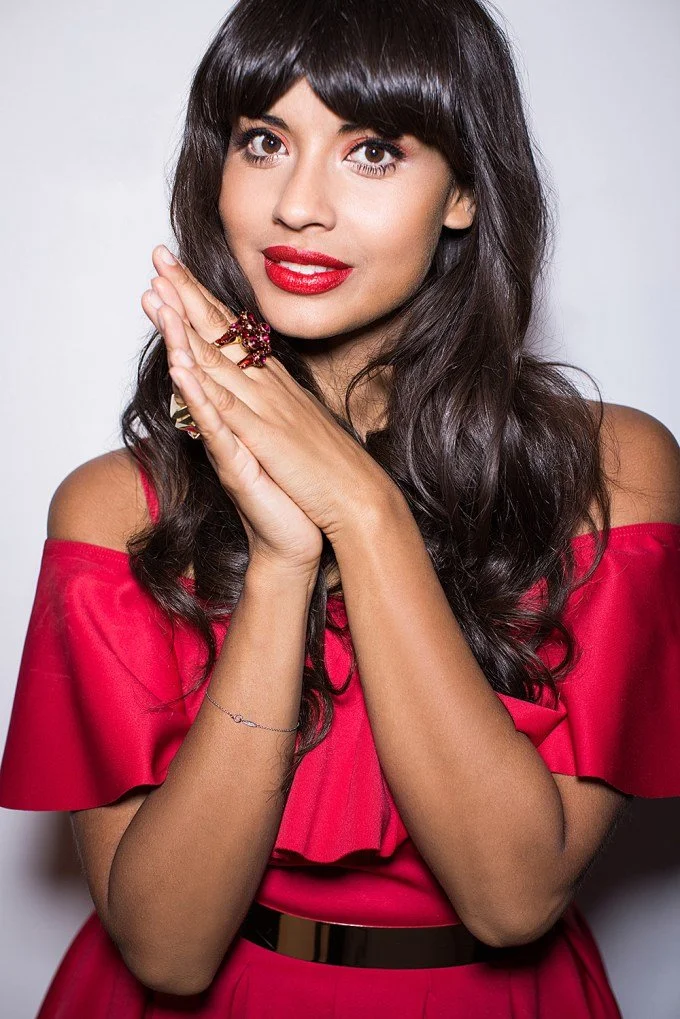
CHAPPELL ROAN. photo BY ANTHONY HARVEY.
At first, her statement sparked controversy. She was called ungrateful and spoiled. Many claimed that she didn’t understand that these things come with being famous, but that is exactly what Roan is standing up against. She took to her Instagram to back up her statement. She said, “I embrace the success of the project, the love I feel, and the gratitude I have. What I do not accept are creepy people, being touched, and being followed.” When an artist blows up, they aren’t signing up for parasocial relationships and creepy behaviour. They are signing up to make their craft and share it with the world. An artist is not your best friend. They’re just a person.
Roan continues to establish boundaries and has even influenced change in paparazzi behaviour. Early in her stardom, she called out rude behaviour of photographers and reporters. Roan demanded respect right off the bat, which lead to her being treated in a significantly more respectful manner at the current point of her career. Hopefully, her courage will begin to shift paparazzi behaviour towards all celebrities in the future.
Pushing for Change

chappell roan. photo by josh darr.
Roan not only pushes for the change in celebrity treatment from fans and paparazzi, but she also calls for change within the music industry. At the 2025 Grammy’s, Roan received the award for Best New Artist and used her acceptance speech to call out the poor treatment of artists. She spoke up about her experience of being dropped from her label in 2020, saying how she felt dehumanized and betrayed by the system for leaving her with nothing after giving them her everything. Roan’s speech advocated for better standards, healthcare security and financial support for artists.
Roan is also an active member on the platform Propeller, where fans can donate to social causes of a celebrity’s choice. This lets her activism go beyond herself, giving fans a chance to support causes they resonate with alongside Roan. By August 2024, fans of Roan had raised $160,000 for reproductive, LGBTQ+ and human rights.
A Powerful Voice
Despite still being a fairly new artist, Roan has already pushed for so much change with her platform. Her voice has given queer people a safe space where they are celebrated loudly and proudly, and her activism promises hope for a shift in industry standards. Change has to start somewhere, and Roan is opening the doors for her fellow artists to stand up for themselves.
Listen to my personal favourite Chappell Roan song, “Red Wine Supernova”!
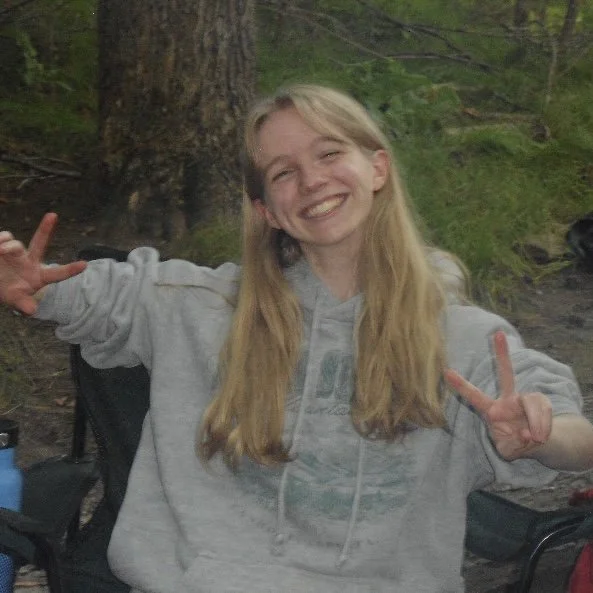
Olivia Senecal is a second-year student in the Professional Writing program at Algonquin College. While she doesn’t have a solid preference to one genre, she likes to write about things that come from the heart. Making space in her work where queer people feel seen is a strong goal of hers, as growing up she struggled to find that space for herself. In her spare time, she’ll likely be found lying on a patch of grass somewhere or thinking about Caitlyn Kiramman from Arcane.