Problematics' Press: Early December Issue

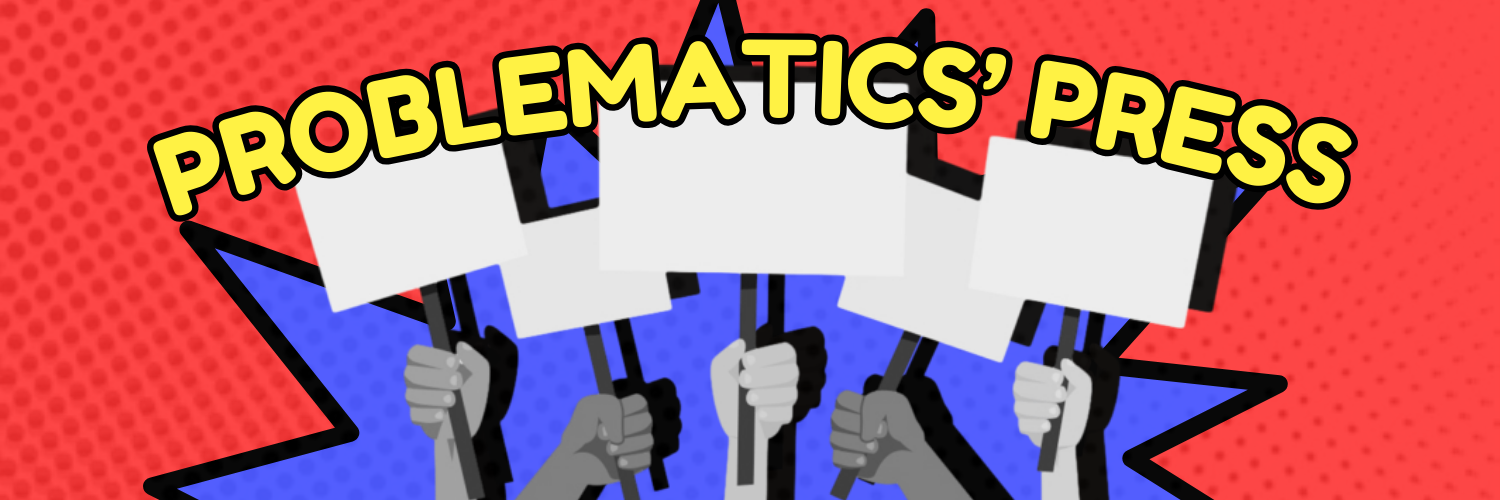
a pop art style banner with 5 white protest signs on a red background with a blue starburst shape. The signs read "food prices" "music" "bottom trawling" "apps" and "fashion" in yellow text. Each one has a black or white hand holding it up.

Welcome to Problematics’ Press! Our weekly newsletter that highlights everything we said this week in brief. Get ready to dive in deep to this week’s problems, each one as troublesome as the next!


Allison Fished For Facts On The Harms Of Bottom Trawling
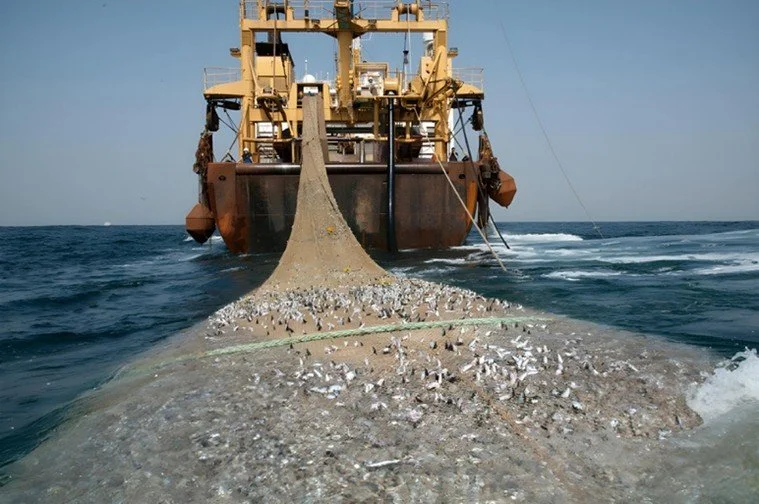
This is a photo of a big rusty, yellow fishing boat in the ocean, pulling a giant net. The net is filled with different kinds of silver fish.

Sea fishing is a well-known, common thing all over the world. It’s how restaurants get their seafood, how store get their shelves stocked. But what if I told you that not all sea fishing is good and one specific way that people are fishing is actually ruining our planet; would you believe me? Bottom trawling destroys 90% of our coral colonies, just for the sole purpose of catching shrimp, shellfish, cods and scallops. Without our coral colonies, the entire reef ecosystem collapses. We need to change the way we catch our seafood. We should be nourishing our sea life and safely fishing our food. Not destroy our planet just for a couple of shellfishes.

Solve the problem

Hannah Checked Out On Cheap Fashion Trends

A front cover of the magazine "Dolly" from the 1980s. A young white woman with teased and curled blonde hair, vibrant blue eyeshadow and pink lipstick grins playfully at the camera.

Fashion is important to us. It’s one of the oldest ways that we’ve expressed ourselves. Our clothing is how we show off our unique identities and cultures. It’s an art form that everyone participates in, whether they realize it or not. But as fast fashion, microtrends and short lived “-cores” flood the market and our socials, fashion has started to lose its meaning. So, let’s reclaim personal style and make our wardrobes uniquely ours again - hopefully with clothes that don’t fall apart after a few wears!

Solve the problem

Hayley Mused On Spotify Underpaying Musicians

Spotify logo

Hey there! This week we are examining the financial side of the music industry. Smaller artists are massively undercompensated for their work, and we are breaking down the specifics of what it’s like for smaller acts looking to be paid for their services.

You can find the entire rundown on our blog!

Solve the problem

Nayia Wondered Why Social Media Makes Us Lonelier

A cartoon of a phone. Take a break from the phone “the world won’t end if you make the time to take a pause.”

Do you look at your unanswered texts and ignored voicemails, but still feel alone? Well, congratulations! You’re feeling the modern-day epidemic of digital loneliness. We wake up and go on our phones, check our texts and realistically, we doom scroll for a while. But how is it really affecting us? From comparing our lives, to distracting our minds, social media has widely affected us. Well don’t worry, we feel it too, you are not alone. That’s why we looked into it. If you’re on low battery, plug in your phone and ironically scroll on over to our blog!

solve the problem

Gavin Gnawed On Growing Grocery Prices

Grocery basket with produce items in it.  Wallet and credit card with a rising line in  the background of the basketed items.

Grocery prices in Canada remain high in 2025, with food inflation is staying stubborn even as inflation is supposedly “cooling” for now. The main problems that come with this are higher production costs, supply-chain issues, and climate impacts that are keeping prices higher than ever. Stores are responding with more promotions, private-label options, and digital savings tools, while Canadians are constantly considering comparing prices, buy in bulk, choose store brands, and rely on loyalty points or signing up to be a member of a store to have member discounted prices. This is an on-going problem, but until it is solved, Canadians have themselves in a big problem that is beyond their control. All it’ll take is the right system of people to address and fix it.

solve the problem

Future Problems!

Thank you for joining us as we explored Canada’s problems. We hope you enjoyed our blog posts as much as we enjoyed writing them! Remember to stay curious about why things are the way they are and know that you have the power to make things a little better!

Subscribe to get the newsletter straight to your email. Or unsubscribe to stop receiving our newsletter.
Problematics' Press: Mid-November Issue


Allison Wondered Why Menstrual Products Are So Expensive

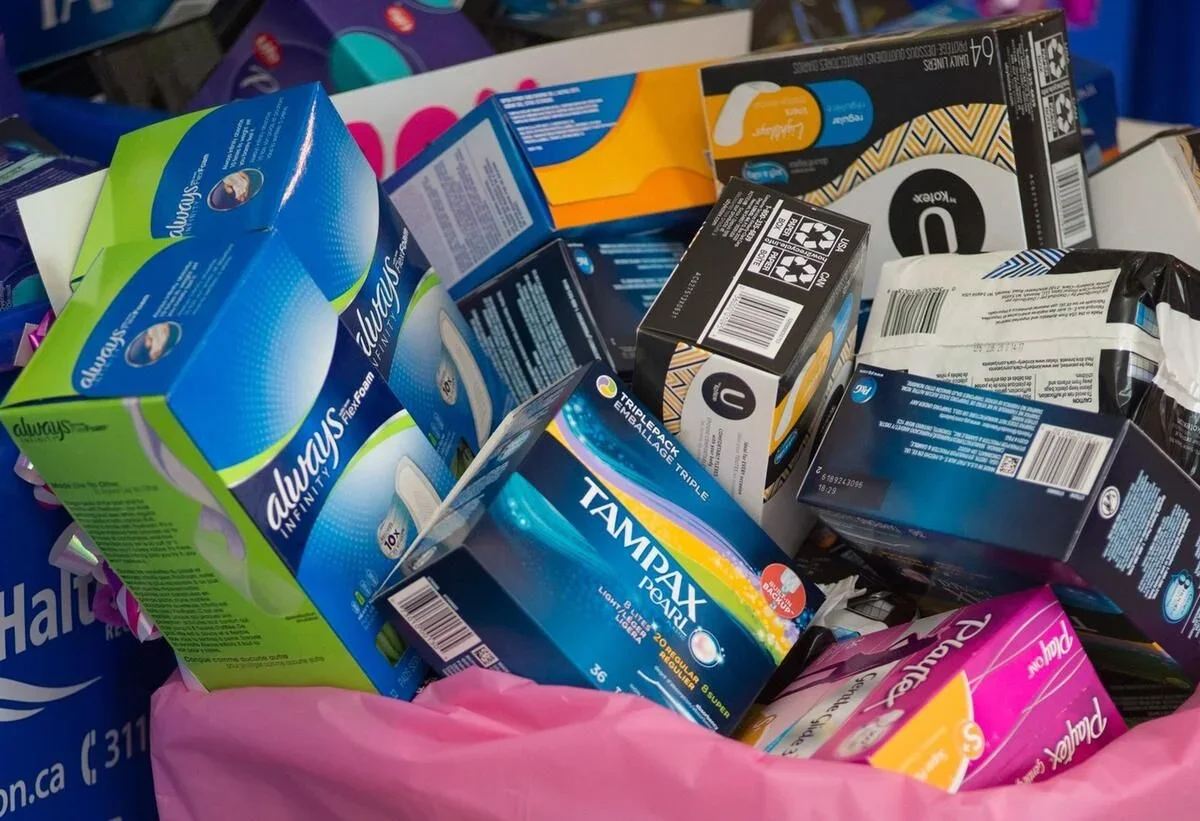
Menstrual product prices keep rising impacting many women worldwide. This is due to manufacturing costs, “pink tax”, “shrinkflation” and supply chain issues. The price has not improved since 2022. Not only is the product itself expensive but the materials to make it are too. With the expense of materials, “pink tax” is applied to the products. Making the prices even higher. We must also deal with “shrinkflation”, many companies are reducing the quantity in a package while keeping the same prices. When will it stop?

Click to Read!

Hannah Examined Why We’re Drowning in Ads

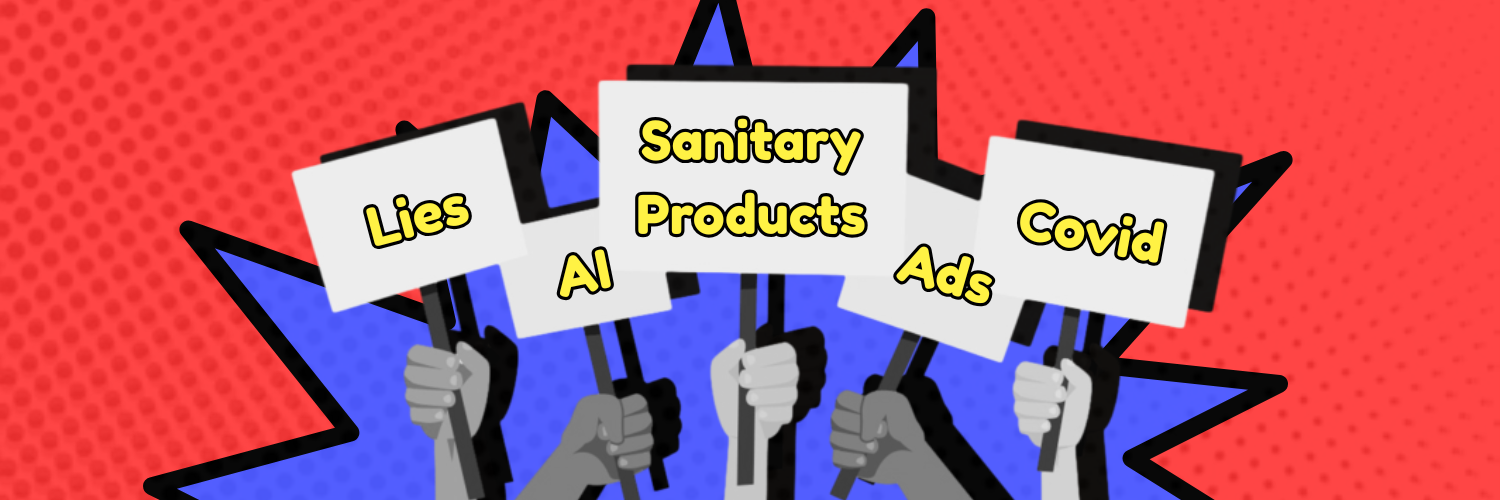
Tired of ads flooding your screen, drowning out the content you really want to see? You’re not alone. Ads are everywhere and they’re getting sneakier. As the global market grows bigger, so does the need for brands to keep you buying. Bring in manipulation and deception! But an end to the ad-pocalypse is possible. Learning how ads work will help you avoid their pitfalls and in the long-term stop them from being useful. Check out Hannah’s blog post to learn how to swim in the ad ocean!

Click to Read!

Hayley Covered Companies Are Investing In AI Over Human Workers

Hey there! This week we are examining the AI bubble and its effect on the average worker. A large threat is being posed to job security for everyday citizens, and we are taking a look at how we got to this point. Between the effect on the global economy, as well as individual jobs for Canadian citizens, the AI bubble affects everyone. Find all the information you need on our blog

Click to Read!

Nayia Discussed What Covid Lockdowns Did To Us

Have you felt different since the lockdown days? Not just health wise, but mentally? Don’t worry, you aren’t alone, others agree with you. Our whole world shut down, and our lives became isolated into our houses. Avoiding and isolating ourselves from people as best we could became our normal. At the time, it was necessary, but how does it affect us now, how did it affect us then? That’s why we at Problematics wanted to investigate it. If you’re looking to know more, we have a good read for you! Head on over to our blog, no need to stay 6 feet away.

Click to read!

Matteo Questioned Misinformation On The Genocide of The Afrikaans People

With the newest wave of immigration controls in the U.S., misinformation is being used to push the claim of Afrikaner genocide in South Africa. This feature examines the misconstructions of South Africa’s newest land reform laws and the lack of evidence provided. Read how crime statistics are sensationalized and basic reading is ignored in favour of shutting everyone else out. Furthermore, learn the origins of the Bantustan system and why the land reform is happening in the first place.

Click to Read!

Gavin Delved Into The Rising Domestic Crime Rate in Ottawa

Rising Crime Rates in Ottawa (2025). Our featured blog post, Ottawa Crime in 2025: What’s Really Driving the Rise?, examines the social, economic, and systemic issues fueling increases in both property crime and personal violence across the city. This issue covers why crime is trending upward, which neighborhoods are becoming emerging hotspots, how policing and prevention efforts are evolving, and the human side of rising crime. Some areas are feeling more pressure than others, with notable increases throughout 2025 that reflect local challenges. As patterns shift, Ottawa is adjusting its policing strategies, implementing new programs, and expanding community outreach, though some services still need improvement. Behind the statistics are real people whose safety, mental health, and daily routines are being affected, and we highlight the local groups supporting those most impacted. Looking ahead, the newsletter explores what the rest of 2025 may hold and what changes the city may need to turn things around. Readers are invited to share their own neighborhood experiences for possible inclusion in the next edition. The upcoming issue, How Ottawa Is Rebuilding Community Safety from the Ground Up, will offer a hopeful perspective on grassroots and citywide initiatives.

Click to read!

Future Problems!

Stick with us next week for a new batch of head-scratching issues. We’ll be teaming up to question inflation. With the prices of everything blowing up, there’s no way we can discuss it in one post. Each of us will look at just one inflated area so we can really sink our teeth into the problems!