
Reading As a "Woman's" Hobby
/Growing up, I read a lot, and I read blindly. I was ignorant to the societal narrative that reading was “girlish.” However, the older I got, I became aware of the concept that reading was a “woman’s” hobby, but what made this an assumed fact? This chapter I will cover the statistics, the upsurge of online reading communities and what exactly women are reading to make such a harmless hobby, a gender.
As of February 8, 2021, 23% of American adults expressed they haven’t read a complete novel in the past year. Adults who only had a high school diploma were less likely to read than ones with bachelor’s degrees. Also, households making under $30,000 annually were more unlikely to read in comparison to households making $75,000.
What makes these numbers profound is acknowledging that 20% of the fiction market was male. This was a market made for them, and yet with Ian McEwen, a British author’s, unscientific experiment, it was proven that men didn’t care. McEwan and his son wandered the London park during lunch hours to hand out free books; within minutes they handed out 30. Most went to women who were eager, while the men frowned with suspicion, which confirmed McEwan’s theory about women readers and the literary community, something I will mention later.
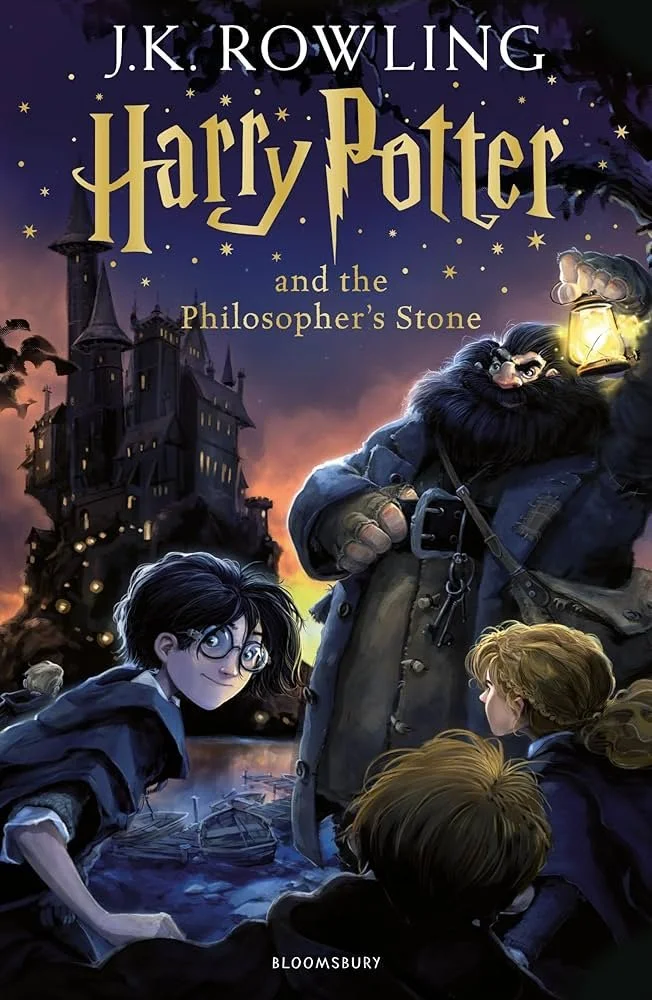
Credits to Bloomsbury publication
But why are women eager? Author Louann Brizendine would have the answer. Young girls have the ability to sit still longer than young boys and psychologists note that women are more empathetic. Having a greater emotional and conversational range allows fiction to be appealing. “Girls have an easier time with reading or written work, and it's not a stretch to extrapolate [that] to adult life,” Brizendine states.
Now, this doesn’t mean men DON’T read, in fact more boys have read Harry Potter than girls. U.S publisher, Scholastics, elaborates that Harry Potter impacted boys reading habits by 61%. These boys didn’t find reading fun until the series came out. So, where can women express their love of literature?
Reading is Mainstream
Booktok is a community on Tiktok that has skyrocketed in the last 5 years, and a female dominated space that made books mainstream again. Booktok has allowed women to embrace reading and create digital book clubs with their followers to the extent of aestheticizing reading. This drives sales on novels that now, bookstores such as Barnes & Nobles or Cole’s have tables dedicated to what is popular on the app. August 2020, 16-year-old Kate Wilson, posted a series of quotes from novels to the app over a melodic instrumental. These novels ranged from A Tale of Two Cities and Jane Eyre, accumulating 1.2 million views.

CREDITS TO SIMON & SCHUSTER PUBLICATIONS
These Booktoks have caught the attention of publishers, Olivia Horrox, publicity manager at Simon & Schuster, is one. When Horrox noticed that many titles grew a new life, such as Tracy Deonn’s, Legendborn, she shared this, “[T]he ice-bucket challenge [used] to be around on Facebook, these TikTok trends become a challenge in the same way, and you don’t want to miss out on the zeitgeist, so you get the book that everyone’s talking about.”
Romance is Dead
Now, what fiction pulls women in? It’s romance. Readers describe reading as ”the love of their life,” and notoriously use romance novels as an escape from reality and to seek emotional validation, a sign that relationships have become burdensome for women. Women have expressed the negligence their partners show in maintaining their relationship, varying on treating women like human calendars, and responsible for dinner preparations. Even taking the chicken out has become taxing for men.
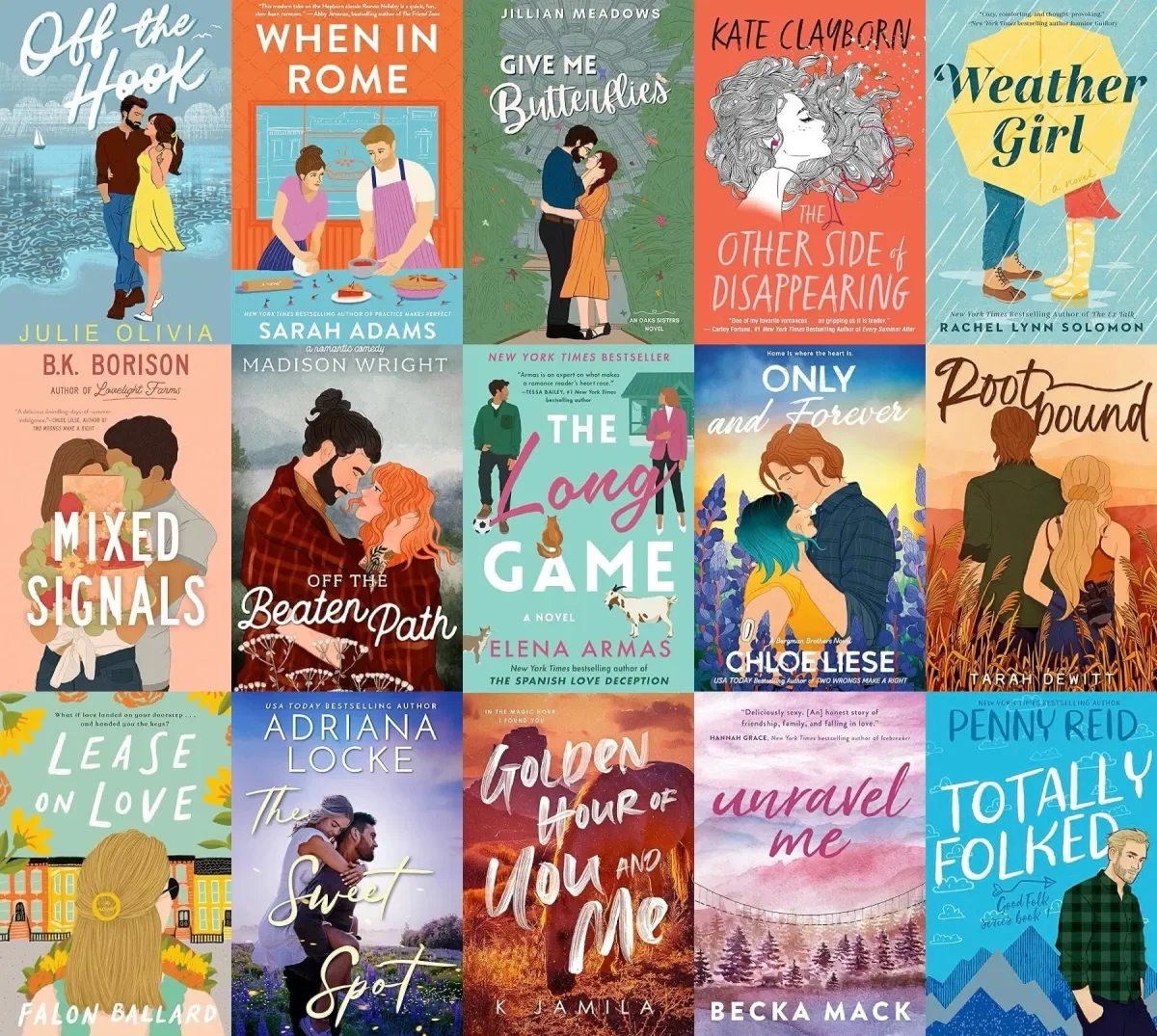
Credits to JEEVESREADS.COM
This boils down to a term coined in 1983, “emotional labour.” Coined by sociologist Arlie Hochschild, emotional labour was used to describe jobs that require logic over emotions, these are seen in “pink collared” jobs such as nurses and flight attendants.
Today, emotional labour crept into everyday lives, and it has become quiet mental work on women wanting healthy relationships due to the differences in maturities that we discussed earlier. This allows women to romanticize fictional intimacy to ignite lost butterflies they once had in their own relationships.
Overall, women are responsible for the global passion of literature, and they’re responsible for books becoming mainstream again. So, whether reading is for women or not, we fulfill Ian McEwan’s assumption, “When women stop reading, the novel will be dead.”

Cheyenne Marks is a local Ottawa Mohawk writer with a knack for scrapping and redoing every idea that sparks her mind, except for opinion pieces. Currently a student in the Professional Writing program at Algonquin College, Cheyenne has a goal to be an Indigenous author and essayist, and a voice for Indigenous communities when they feel the least heard. She enjoys sweet treats and has a belief that taking photos of the books she reads with her daily coffee in it makes her seem cool. So, join her as she expresses her thoughts over the literary community and shares her sweet treats.