
Why Baldur's Gate 3 Is Changing RPGs Forever
/Baldur’s Gate 3 redefines modern RPGs with a living world, unforgettable companions and choices that shape every player’s epic journey.
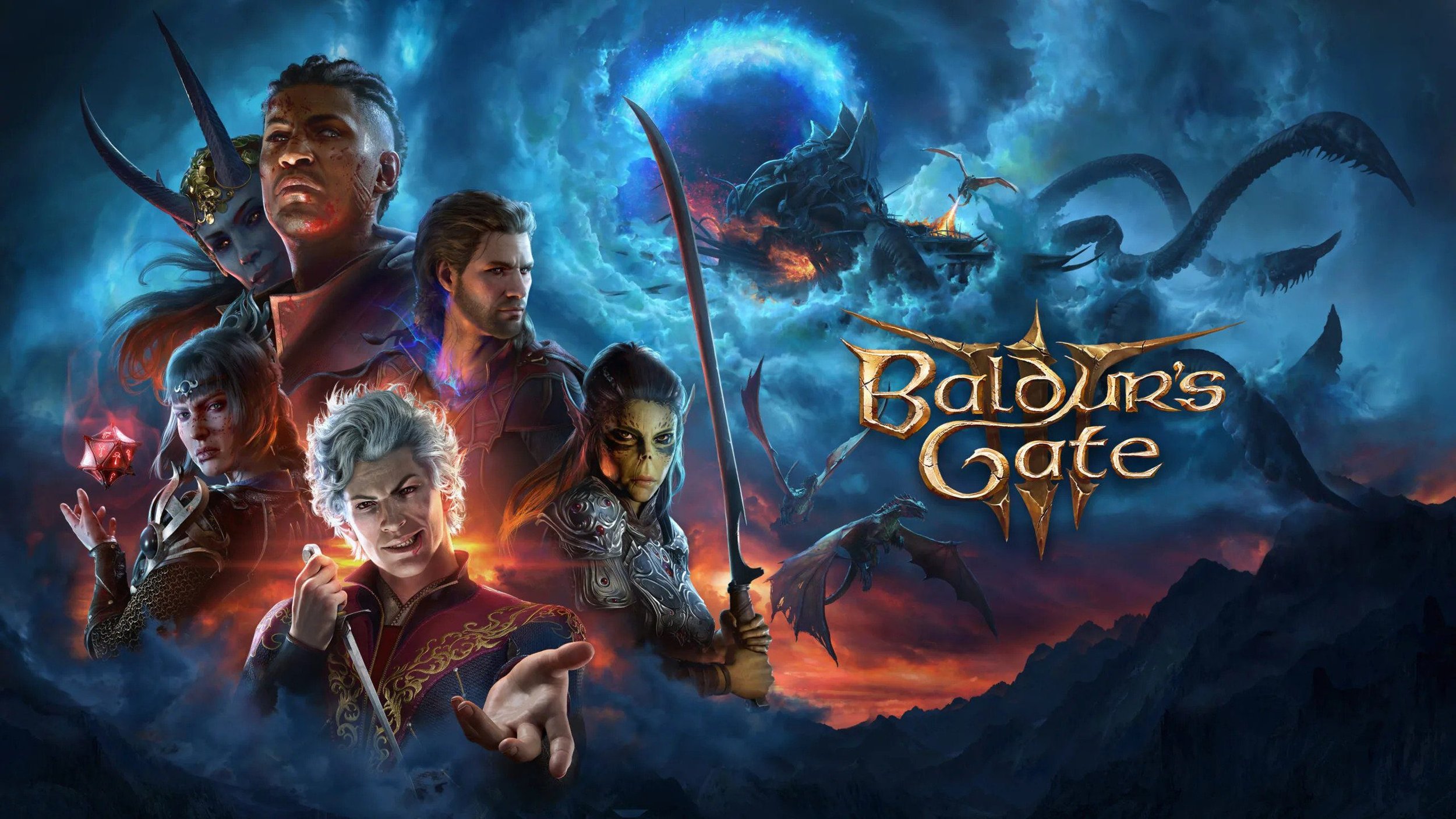
image courtesy of larian studios
Since its release, Baldur’s Gate 3 has captivated players with a scope and depth rarely seen in modern RPGs. Built on the legendary Dungeons & Dragons ruleset, it combines tactical combat, branching narratives and a reactive world that responds to every decision. From its tense mind flayer encounters to morally complex quests, it lets players live one, shaping events in ways that feel meaningful and unpredictable.
For fans searching for a Baldur’s Gate 3 review, the game stands out as a milestone in RPG design. Its commitment to player agency goes beyond dialogue trees: companions argue with, challenge and even betray you depending on your decisions. Every choice carries weight, creating moments that feel intensely personal. Unlike most modern RPGs, which often follow rigid paths, Baldur’s Gate 3 thrives on unpredictability, turning each playthrough into a unique narrative journey.
The praise for Baldur’s Gate 3 is endless, even to this day, still receiving awards after its debut year. It’s time to talk about why.
Industry-Shaking Design
At its core, Baldur’s Gate 3 is a story-driven RPG. Towns, dungeons and wilderness areas react dynamically to the player’s actions. Every quest, no matter how minor, can ripple through the world. Negotiating with a bandit, exploring a forbidden ruin, or choosing to save (or abandon) an NPC can have consequences that reverberate across the game. This emergent storytelling makes exploration endlessly rewarding and keeps players invested in the world.
Characters further enrich the experience. Companions such as Lae’zel, Astarion and Gale have distinct personalities, motivations and story arcs. Their relationships with the player evolve based on choices, arguments and alliances, sometimes leading to dramatic betrayals or unexpected allegiances. These interactions create a living narrative where dialogue, loyalty and morality matter; turning each session into a story worth sharing.
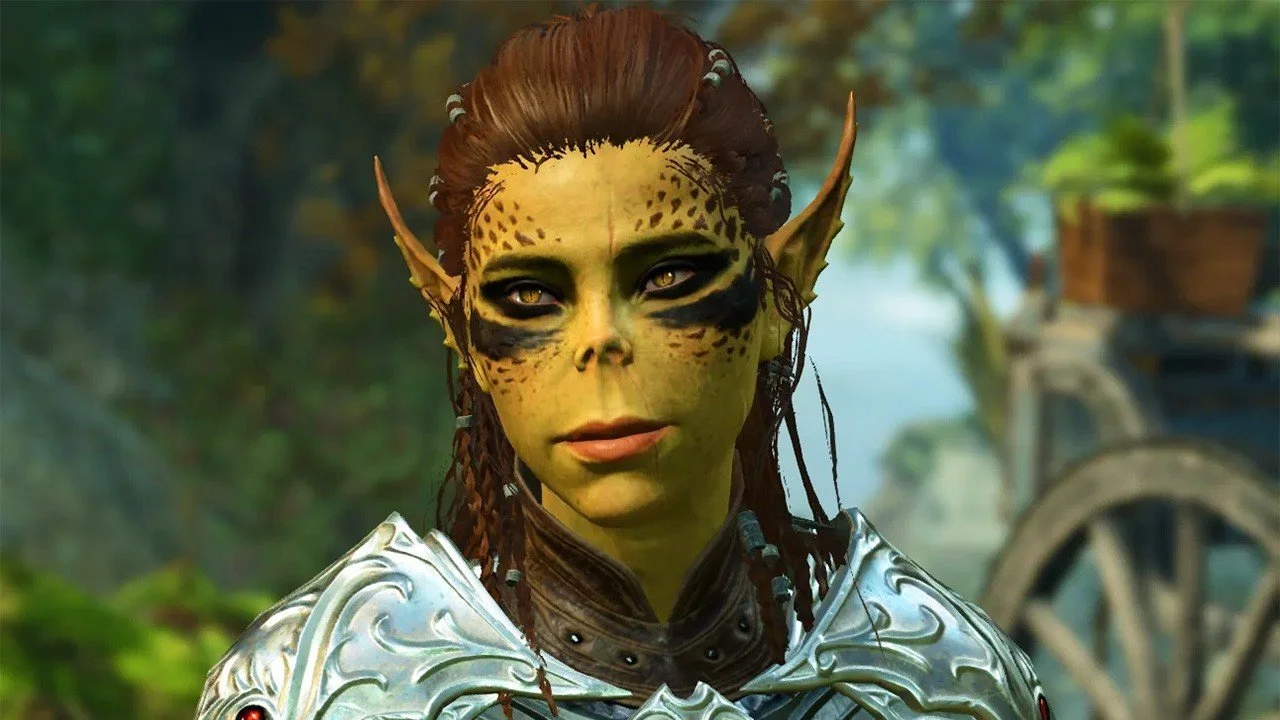
IMAGE COurtesy of Larian studios
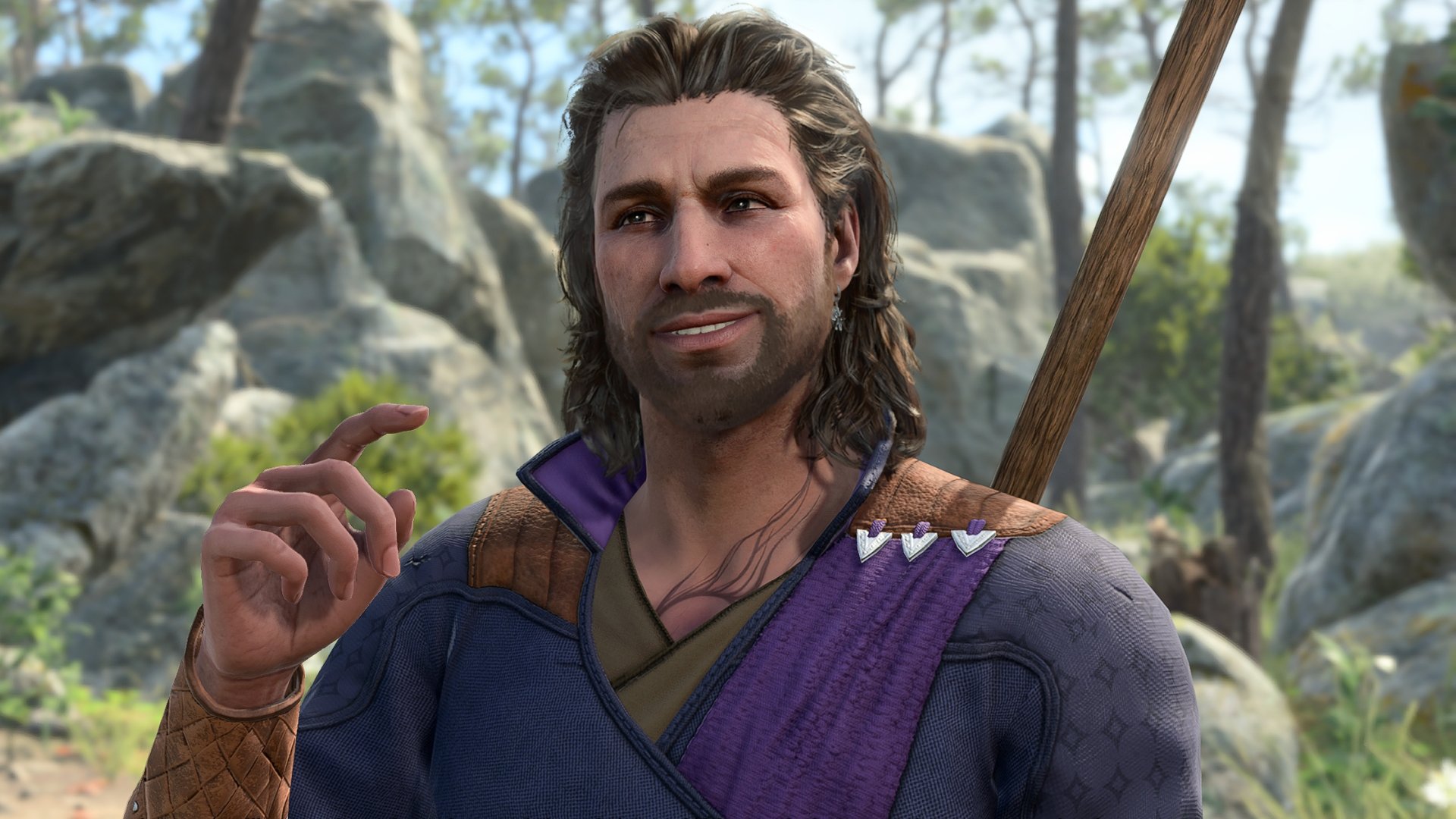
image courtesy of larian studios
The game’s writing, dialogue and moral complexity elevate it above typical RPGs. It challenges players to make decisions that are rarely simple or obvious, forcing reflection on consequences, ethics and strategy. For anyone exploring why Baldur’s Gate 3 is the best RPG of the decade, the depth of its world and characters alone makes it unforgettable.
Classic RPG Mechanics Make a Comeback
Gameplay in Baldur’s Gate 3 is where strategy meets freedom. Rooted in Dungeons & Dragons 5e rules, combat is tactical but accessible. Players can leverage positioning, environmental effects and spell combinations to outsmart enemies. Every fight rewards planning, creativity and improvisation. Whether you push enemies off cliffs, ignite rugs from beneath their feet or cast spells in unconventional ways. This emergent gameplay ensures no two battles feel the same, bringing back that old-school ingenuity in a world where games tend to hold your hand.
Beyond combat, the game’s production quality sets a new industry standard. Cinematic visuals, adaptive lighting and an immersive soundtrack bring the world to life. Every dungeon crawl, city visit and wilderness trek feels epic. Because the cinematics are played in real time, multiplayer opens a whole new can of worms with the potential for triggering events before they happen, like a bomb about to be set off before a player stole it during the conversation. The NPCs react to this as well, meaning it is intentionally designed despite never being done in the gaming industry.
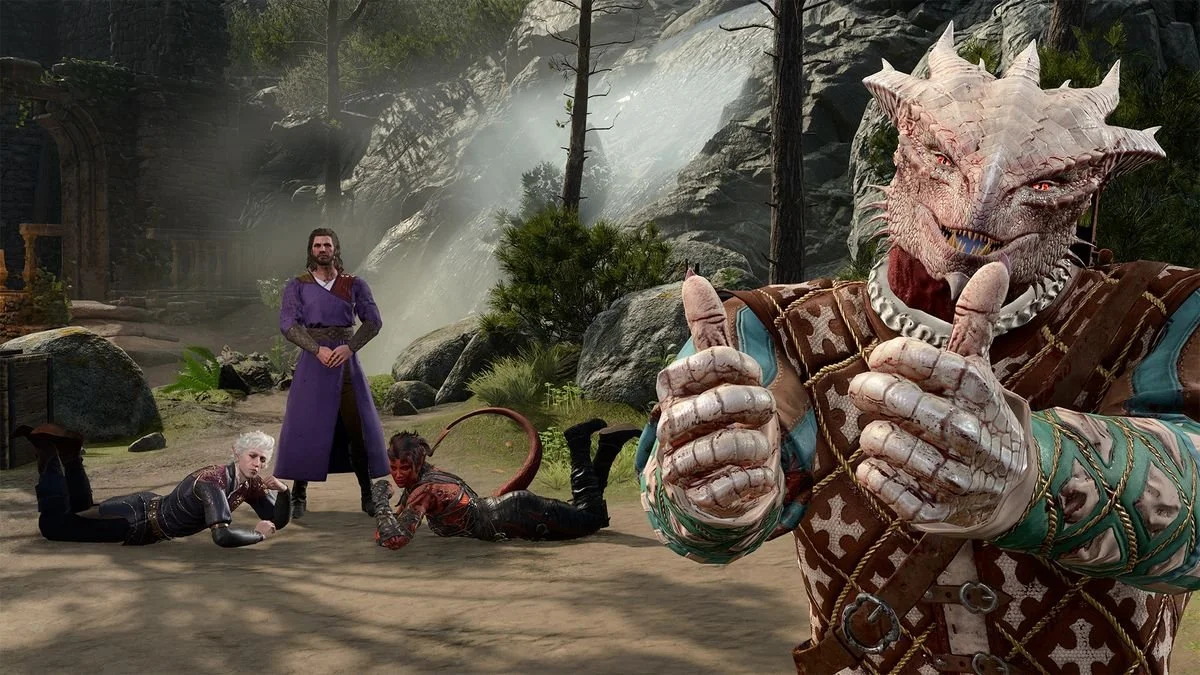
image courtesy of larian studios
These are just some of the reasons why Baldur’s Gate 3 is reshaping the RPG industry. Its success proves that story-rich RPGs can thrive alongside multiplayer blockbusters. Developers are increasingly adopting reactive world mechanics, emergent storytelling and companion depth, inspired by its success. It’s not just a game; it’s a blueprint for the future of RPGs, influencing how studios approach narrative, choice and player agency. All these aspects show why we can’t stop singing praises for this game, as it might be one of the best in the whole industry.
By combining tactical gameplay, emergence and unforgettable characters in a responsive world, Baldur’s Gate 3 has rewritten the rules of modern RPGs. Its impact on the genre and the industry ensures it will be studied and emulated for years to come.
Liam Kettle is a prominent writer at IGN and will be constructing a deep analysis into the history of game narration. Born in Ottawa Ontario and then raised in Quebec, his upbringing into gaming started from the rest of his family being gamers. Growing up near Ubisoft Montreal only added to this, being allowed to playtest many games that hadn’t yet come out to the public and provide his feedback. This led him into journalism for gaming, now with five years of experience. For IGN, he will not only be reviewing older games that revolutionized each genre, but explaining the steps as to how we got where we are with cinema-esque experiences in gaming. You can catch it all at “The History of Game Narration”.