
Worldbuilding and Meta-Narrative in a Ghost Story
Want to know how effective worldbuilding can be in a web novel? Usually, the chosen examples for analyzing worlds are popular works that we might all already know about. In my blog post, I analyze the aspects of worldbuilding in the Korean web novel Got Dropped in a Ghost Story, Still Gotta Work by Baek Deoksu (백덕수), discussing the use of setting, story mechanics and background characters. By breaking down a less mainstream example, we can see how great worldbuilding techniques function away from the spotlight. Ready to see how great worldbuilding functions away from the spotlight?

characters from the series westworld during the american civil war
Worldbuilding in Action
Click the link below to find out everything you need to know about Worldbuiling in Action. This will be your ultimate guide to the principles we’ve been discussing in our research. We will be focussing on applications and practices, using examples from the 2016-2022 series Westworld. If you’re a fan of the series or searching for applications to the principles you’ve been learning about in our blogs, you don’t want to miss this!
Why Avatar: The Last Airbender Still Sets the Standard for Worldbuilding
Avatar: The Last Airbender remains one of the strongest examples of thoughtful, immersive worldbuilding. From its iconic opening, to its culturally rich nations, every detail feels intentional and alive. These choices aren’t just aesthetic—they drive character decisions and the story’s emotional stakes. Click the link below to find out how ATLA’s balance of humor, history, and heartfelt themes makes its world feel lived-in and meaningful.
Analysis of World Building in Return of the Frozen Player
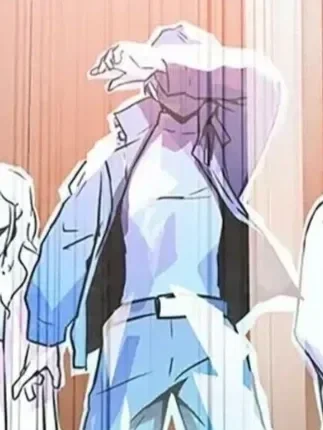
Do you already have all the theoretical know-how of worldbuilding, but would like to check your understanding against a successful story? Return of the Frozen Player explores fantastic settings with the thawed hero Junho. Not enough? See how the webtoon explores society and structure by introducing new power dynamics. Maybe you need an excuse to come up with interesting creatures. No worries! Not only are creatures in this work everywhere, but they also add depth to the plot and allude to the fate of the world. Don’t take my word for it, come see for yourself!
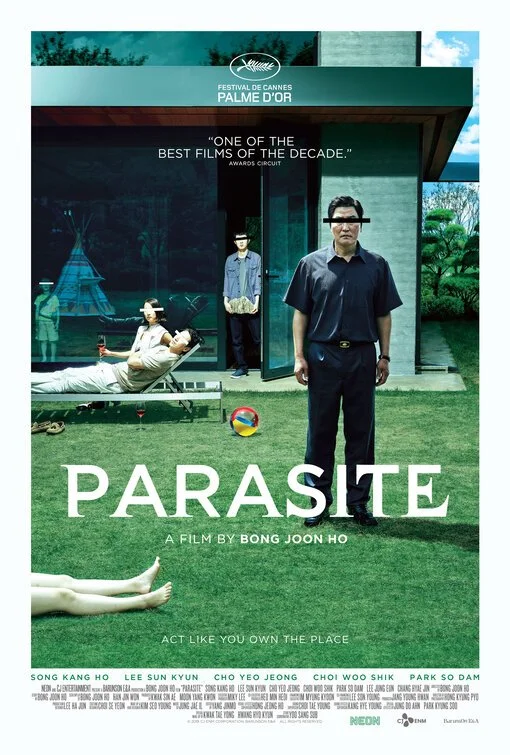
Parasite: A Masterclass in Worldbuilding
Now that we’ve covered the basics, it’s time to dive into a practical case study. Using what we’ve learned about food and society in worldbuilding, we’ll analyse Bong Joon Ho’s 2019 film Parasite to break down why it succeeds as an informative, immersive world. It was so successful it became the first South Korean film to receive an Academy Award. While based on the world we currently live in, Bong Joon Ho utilizes excellent storytelling mechanics to teach the viewer about the world of the movie—despite living in it or not. Among other things, we’ll look at economic disparity, social structure and class division, how food is used as an indicator of wealth, and how the different classes perceive one another. Caution: spoilers ahead.
Wings of Fire Worldbuilding
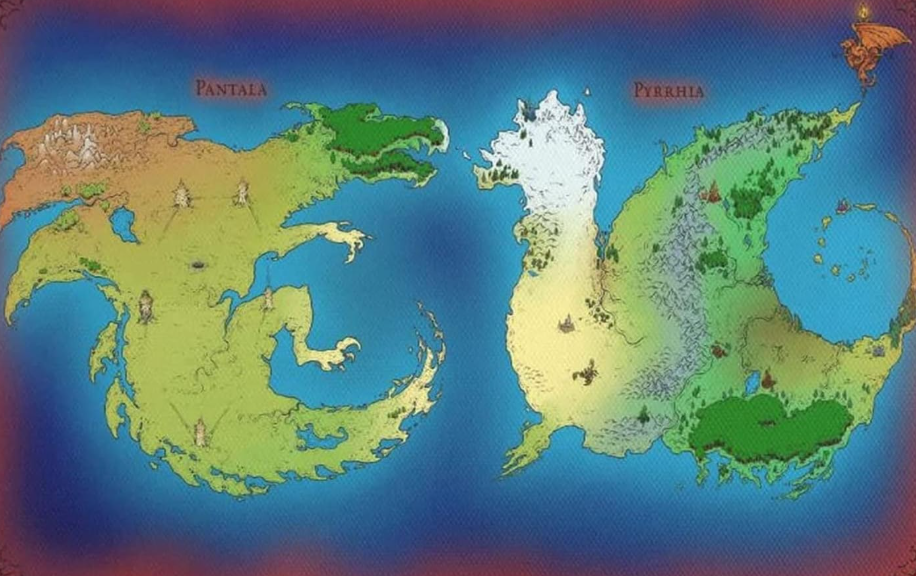
World-building is something many people love doing, mostly because they enjoy inspiring others. But it all started with themselves becoming inspired by something amazing they've seen. For myself, I was inspired by a book series called Wings of Fire written by Tui T Sutherland. The book series was wonderful and captivating, which motivated me to start writing and to create my own stories with their unique worlds. And I hope that one day my work will continue to inspire younger generations.
Any suggestions? Leave them here!
Don’t like our content? Unsubscribe.